
Easy Miso Soup Recipe- Quick & Delicious Homemade
Miso soup recipe, for me, is more than just a recipe; it’s a gateway to comfort and warmth. There’s something inherently soul-satisfying about a steaming bowl of this Japanese classic. It’s a dish that has captured hearts worldwide, and for good reason! People adore miso soup for its incredible simplicity, its subtly complex flavor profile, and its ability to be both light and deeply nourishing. What truly makes this particular miso soup recipe special is its versatility. We’ll explore how to achieve that perfect umami-rich broth and discuss simple yet impactful additions that can elevate your homemade miso soup from good to absolutely unforgettable. Get ready to bring a little bit of authentic Japanese deliciousness right into your own kitchen.
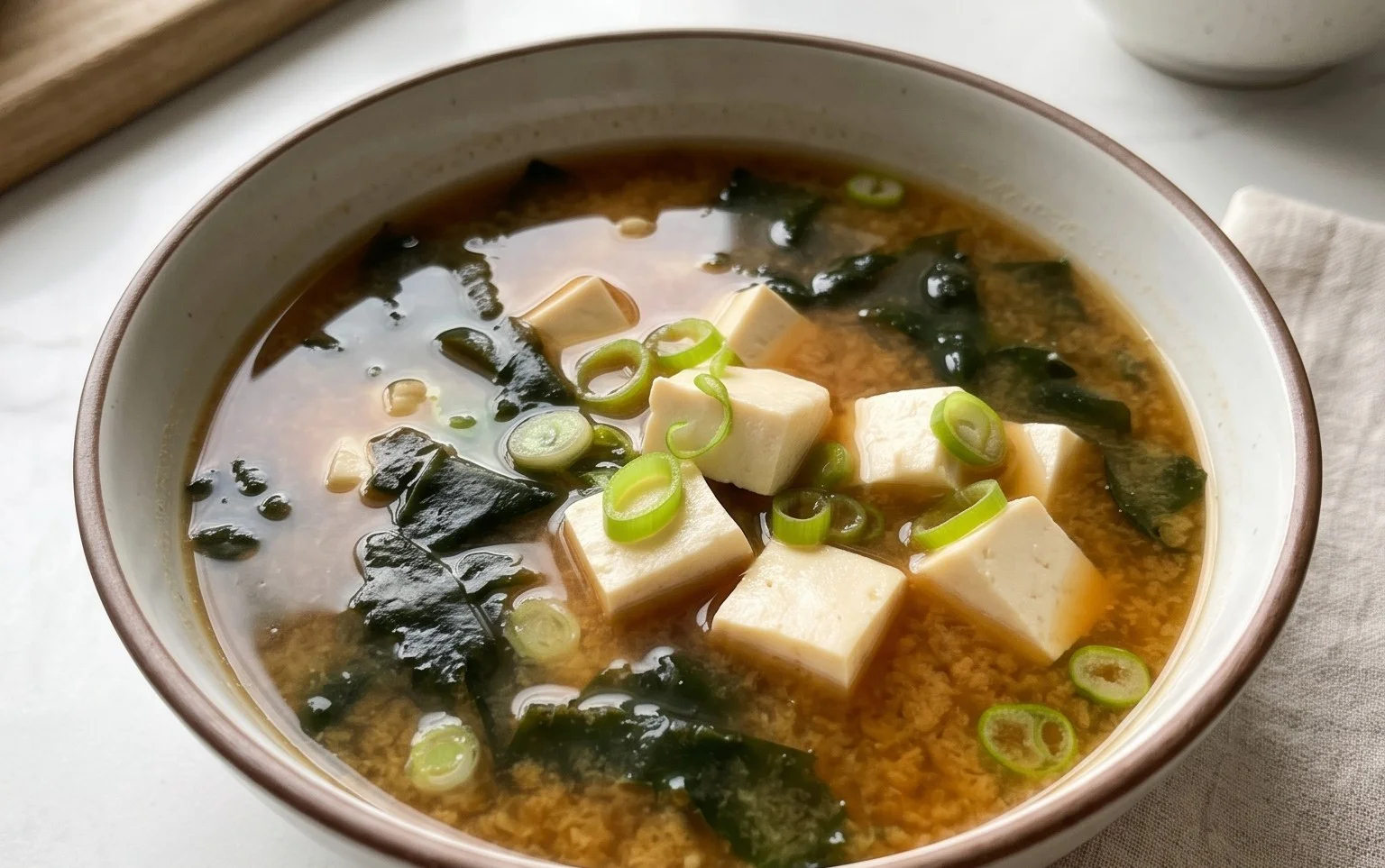
Miso Soup Recipe
There’s something incredibly comforting and nourishing about a warm bowl of miso soup. It’s a staple in Japanese cuisine, often served as a starter or a light accompaniment to a meal. But beyond its role as a side dish, miso soup is a powerhouse of flavor and health benefits. Made from fermented soybeans, miso paste is rich in probiotics and adds a complex, umami depth that’s hard to replicate. This recipe is my go-to for a quick, authentic, and utterly satisfying miso soup that I can whip up in minutes. It’s simple enough for a weeknight dinner but delicious enough to impress any guest. The beauty of miso soup lies in its simplicity; the few key ingredients combine to create a surprisingly deep and layered flavor profile. Let’s get started on creating this delightful bowl of goodness.
Ingredients:
Cooking Instructions:
Creating a fantastic bowl of miso soup is surprisingly straightforward. The key is to treat the miso paste with care to preserve its delicate flavor and beneficial properties. Overheating miso can diminish its taste and, some believe, its nutritional value. So, we’ll add it towards the end of the cooking process.
Preparing the Dashi and Seaweed
1. Begin extract by preparing your dashi. You can use instant dashi granules mixed with hot water, which is a convenient option, or make dashi from scratch using kombu (dried kelp) and katsuobushi (dried bonito flakes) for a more traditional flavor. If using instant, simply follow the package instructions to yield 2½ cups. If making from scratch, soak a piece of kombu in water for about 30 minutes, then gently heat it without boiling, and add a handful of katsuobushi for a few minutes before straining. Once your dashi is ready, pour it into a medium saucepan. Add the heaping tablespoon of dried seaweed to the dashi. If you’re using wakame, which is common for miso soup, it will rehydrate and expand as it simmers. Let it sit in the dashi for about 5-10 minutes to allow the seaweed to soften. This initial soaking also begin extracts to infuse the dashi with a subtle ocean flavor.
Warming the Tofu and Infusing Flavors
2. While the seaweed is rehydrating, gently cut your silken tofu into small, bite-sized pieces. Silken tofu is ideal for miso soup because of its smooth, melt-in-your-mouth texture, which complements the savory broth beautifully. Once the seaweed has softened, place the saucepan with the dashi and seaweed over medium-low heat. You want to warm everything through, not bring it to a rolling boil. Add the cut tofu pieces to the dashi. Allow the tofu to gently heat through in the broth for a few minutes. Avoid stirring too vigorously at this stage, as silken tofu can break apart easily. You’ll notice the seaweed gradually absorbing the liquid and becoming tender.
Incorporating the Miso Paste
3. This is a crucial step for achieving the best flavor. Before adding the miso paste to the soup, it’s best to temper it. This means mixing it with a little bit of the warm dashi before stirring it into the main pot. Ladle about ¼ cup of the warm dashi from the saucepan into a small bowl. Add your 2 to 2½ tablespoons of miso paste to this bowl. The amount of miso paste is really a matter of personal preference; I find 2 tablespoons is a good starting point, and then I can add a little more if I desire a richer flavor. Gradually whisk the miso paste into the warm dashi in the bowl until it forms a smooth, lump-free paste. This prevents the miso from clumping when added to the soup and ensures it dissolves evenly, distributing its flavor throughout the broth.
Finishing and Serving
4. Now, gently pour the tempered miso mixture back into the saucepan with the rest of the dashi, seaweed, and tofu. Stir gently to incorporate the miso paste completely into the broth. It’s very important at this stage that you do not let the soup boil. Boiling can destroy the delicate flavor of the miso and kill some of its beneficial enzymes. You are simply looking to heat the soup through until it’s warm and fragrant. Continue to stir occasionally until the miso is fully dissolved and the soup is heated to your liking. The color of the soup will change from a clear broth to a more opaque, often slightly yellowish or brownish hue, depending on the type of miso you are using.
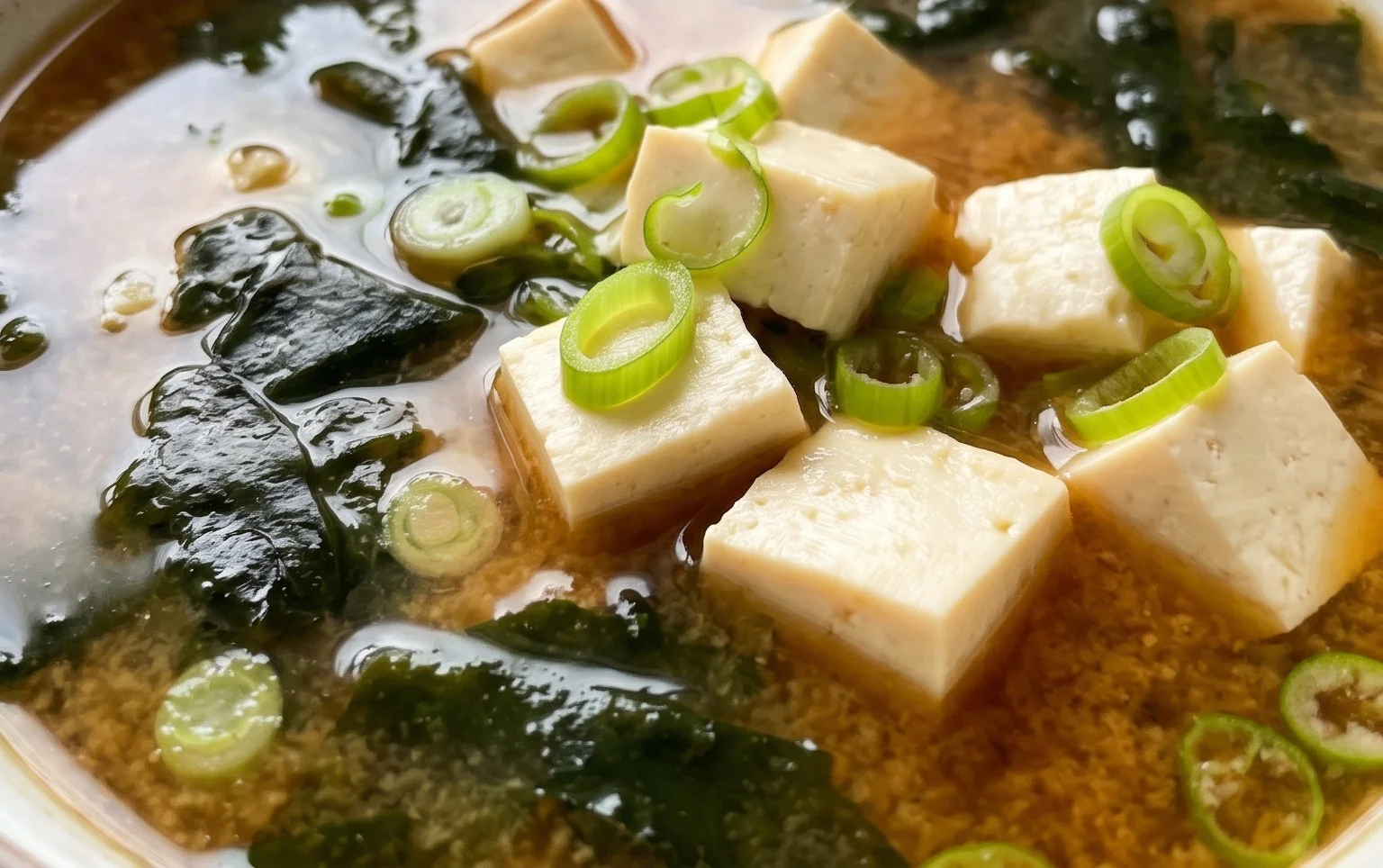
5. Once the miso is fully dissolved and the soup is warm, your delicious miso soup is ready to be served. Ladle the soup into individual bowls, making sure each bowl gets a good portion of the tender seaweed and soft tofu. Finally, sprinkle the chopped scallions over the top of each bowl. The fresh, slightly pungent flavor of the scallions adds a bright contrast to the savory broth and provides a lovely visual appeal. Serve immediately while piping hot. This miso soup is perfect on its own for a light breakfast or lunch, or as a classic accompaniment to sushi, ramen, or any Japanese-inspired meal. Enjoy the warmth and comfort!
Conclusion:
And there you have it! This miso soup recipe is a fantastic gateway into the comforting and flavorful world of Japanese cuisine. Its simplicity belies its depth of taste, offering a warm, umami-rich broth that’s both satisfying and incredibly healthy. Whether you’re seeking a light starter, a nourishing lunch, or a soothing evening meal, this versatile soup is your perfect companion. I truly hope you’ll give this delicious miso soup a try; it’s so rewarding to create such a comforting dish right in your own kitchen!
For serving, consider garnishing with fresh scallions, a drizzle of sesame oil, or a sprinkle of toasted sesame seeds for an extra layer of flavor and texture. It pairs beautifully with rice, grilled fish, or as a starter for any Japanese-inspired meal. Don’t be afraid to experiment with variations! Adding silken tofu, mushrooms like shiitake or enoki, or even some fresh spinach can elevate your soup even further. This adaptable recipe is a wonderful canvas for your culinary creativity.
Frequently Asked Questions:
What kind of miso paste should I use?
For this recipe, white (shiro) miso is a great starting point as it’s milder and slightly sweet, making it very approachable. Red (aka) miso offers a bolder, saltier flavor, while awase miso is a blend of both. Feel free to experiment with different types to discover your favorite!
Can I make miso soup ahead of time?
While the broth can be made ahead, it’s best to add the miso paste just before serving. Miso is a fermented food, and prolonged simmering can diminish its delicate flavor and beneficial probiotics. So, cook your dashi, add your solid ingredients, and then dissolve the miso into the warm (not boiling) broth at the end.
Miso Soup
A simple and quick recipe for authentic Japanese miso soup, featuring dashi, seaweed, silken tofu, and flavorful miso paste.
Ingredients
-
2½ cups Dashi
-
1 heaping tablespoon dried wakame seaweed
-
4 oz silken tofu, cut into small pieces
-
2-2½ tablespoons red miso paste, or to taste
-
1 tablespoon scallion, chopped
Instructions
-
Step 1
In a medium saucepan, bring the dashi to a gentle simmer over medium heat. -
Step 2
Add the dried wakame seaweed to the simmering dashi. Let it rehydrate for about 2-3 minutes. -
Step 3
Gently add the silken tofu pieces to the saucepan. Be careful not to break them apart too much. -
Step 4
In a small bowl, whisk the miso paste with a ladleful of the hot dashi until smooth. This prevents the miso from clumping. -
Step 5
Pour the dissolved miso mixture back into the saucepan. Stir gently to combine. -
Step 6
Heat the soup for another minute or two, but do not let it boil after adding the miso, as this can diminish its flavor and nutritional benefits. -
Step 7
Ladle the miso soup into bowls and garnish with chopped scallions before serving.
Important Information
Nutrition Facts (Per Serving)
It is important to consider this information as approximate and not to use it as definitive health advice.
Allergy Information
Please check ingredients for potential allergens and consult a health professional if in doubt.