Pumpkin Seed Pesto Recipe – Delicious & Easy
Pumpkin seed pesto is about to become your new obsession, and I’m so excited to share this incredibly vibrant and flavorful recipe with you! Forget the same old basil pesto; this nutty, earthy twist is a revelation. We’re transforming humble pumpkin seeds, those often-overlooked treasures from your favorite fall gourds, into a pesto that’s surprisingly rich and satisfying. Imagin extracte a pesto that’s not only wonderfully delicious but also packed with nutrients, offering a delightful crunch and a depth of flavor that will elevate everything from pasta to sandwiches to dips. This pumpkin seed pesto is particularly special because it embraces the essence of autumn while being wonderfully versatile year-round. It’s the perfect way to add a burst of sunshine and a unique flavor profile to your culinary creations. Prepare to fall in love with this amazing pumpkin seed pesto!
Ingredients:
Nourishing Pumpkin Seed Pesto: A Vegan Delight
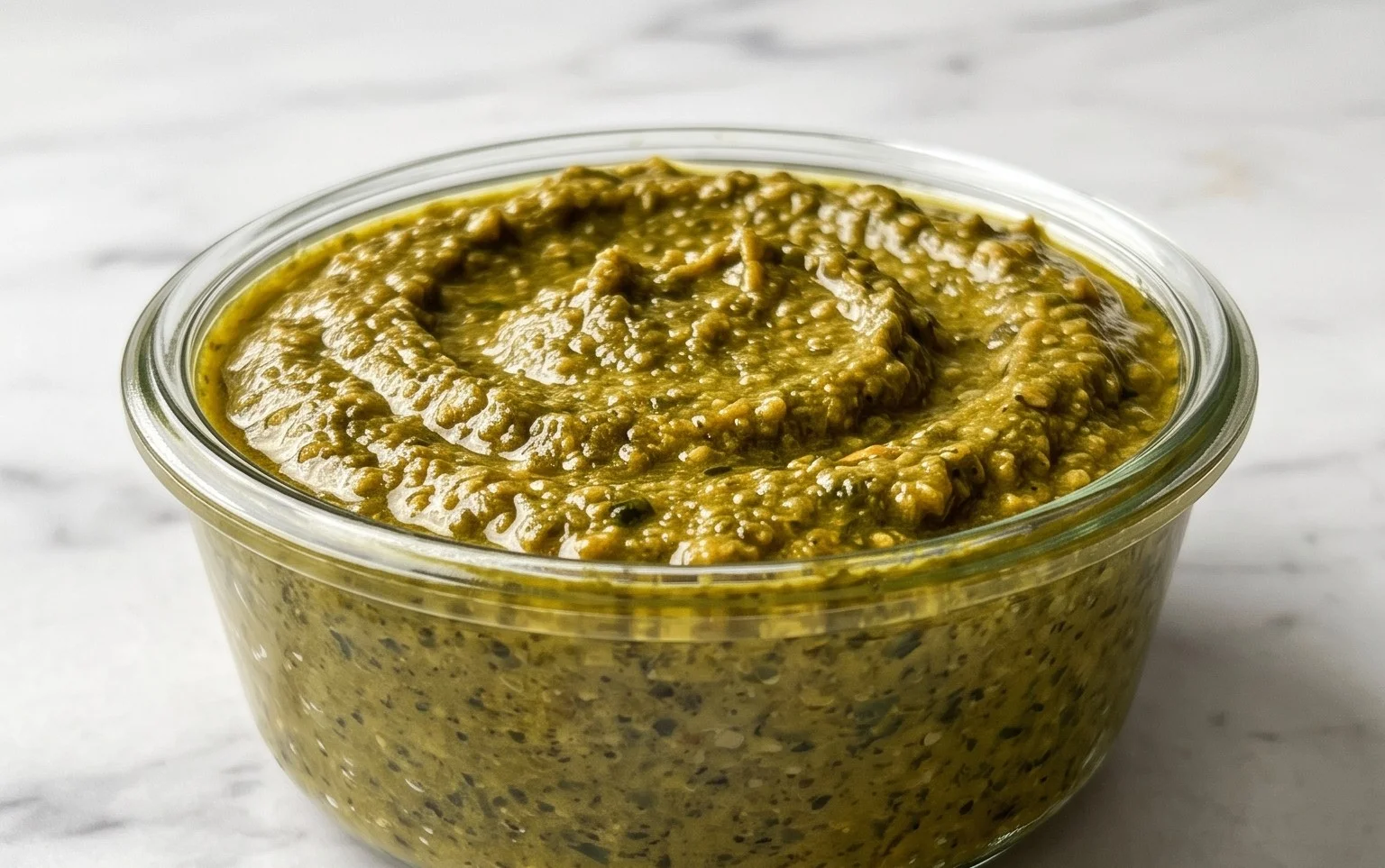
Are you looking for a delicious and vibrant twist on a classic pesto? This pumpkin seed pesto is a game-changer! It’s packed with flavor, incredibly versatile, and a fantastic way to add a boost of nutrients to your meals. Forget the pine nuts; roasted pumpkin seeds bring a delightful earthiness and a satisfying crunch that elevates this sauce to a whole new level. Whether you’re a seasoned vegan chef or just dipping your toes into plant-based cooking, this recipe is wonderfully straightforward and yields a truly rewarding result.
This pesto is more than just a condiment; it’s a celebration of fresh ingredients. The combination of fragrant basil and parsley creates a bright, herbaceous base, while the roasted pumpkin seeds add a subtle nuttiness and a creamy texture. The garlic provides that essential pungent kick, and the lemon juice cuts through the richness, brightening everything up. I especially love adding nutritional yeast for a cheesy, umami depth – it’s truly transformative and highly recommended for that authentic pesto flavor profile. And for the liquid, you have options! Olive oil will give you a traditional, rich pesto, but for a lighter, equally delicious version, water or aquafaba (the liquid from a can of chickpeas) work beautifully and keep it entirely oil-free if that’s your preference.
Preparing Your Pesto Base
The first step to achieving pesto perfection is to gather and prepare your ingredients. Ensure your pumpkin seeds are indeed roasted. If you have raw pumpkin seeds (pepitas), you can easily roast them yourself. Spread them in a single layer on a baking sheet and toast them in a preheated oven at 350°F (175°C) for about 8-10 minutes, or until they are fragrant and lightly golden. Keep a close eye on them as they can burn quickly. Allow them to cool completely before proceeding. This roasting step is crucial for developing their flavor and texture, preventing them from tasting raw or bitter.
Next, thoroughly wash and dry your fresh herbs. Basil and parsley are the stars here. You want them to be as dry as possible to prevent the pesto from becoming watery. A salad spinner is excellent for this, or you can gently pat them dry with paper towels. Remove any thick, woody stems from the parsley, leaving only the tender leaves and thinner stems. For the basil, the leaves are generally tender enough to use as is. Peel your garlic cloves.
The Blending Process
Now comes the fun part: bringin extractg it all together! You can use a food processor or a high-powered blender for this recipe. A food processor is often preferred for pesto as it gives you more control over the texture.
1. Initial Pulse: Add the roasted pumpkin seeds, peeled garlic cloves, and nutritional yeast (if using) to your food processor. Give them a few quick pulses until the ingredients are roughly chopped. You don’t want to go straight to a paste; we’re building layers of flavor and texture. This initial pulse breaks down the tougher elements and starts to release their aromatic compounds.
2. Adding the Greens: Next, add the fresh basil and parsley to the food processor. Continue to process, scraping down the sides as needed, until the herbs are finely chopped and incorporated into the pumpkin seed and garlic mixture. At this stage, the mixture will be quite thick and might resemble a coarse paste. Don’t worry if it’s not smooth yet; that’s where the liquid comes in.
3. Emulsifying with Liquid: Now, slowly drizzle in your chosen liquid – the olive oil, water, or aquafaba – while the food processor is running. Start with about half of the liquid and continue processing until the pesto begin extracts to emulsify and achieve a smoother consistency. You can add more liquid gradually until you reach your desired texture. Some people prefer a chunkier pesto, while others like it extra smooth. Taste and adjust as you go. If you’re using water or aquafaba, you might need to process it a little longer to achieve a creamy consistency.
4. Incorporating the Lemon and Seasoning: Once you have a good base consistency, add the fresh lemon juice. This is a crucial step for balancing the richness and adding a zesty brightness. Process for another 30 seconds or so to fully incorporate the lemon juice. Finally, season generously with salt to taste. Start with a pinch and add more until the flavors pop. Pesto can handle a good amount of salt, so don’t be shy! It really helps to awaken all the other flavors in the sauce.
Adjusting and Storing Your Pesto
This pumpkin seed pesto is incredibly forgiving. After seasoning, give it one last taste. If it feels a bit too thick for your liking, add a tablespoon of water or olive oil at a time until it’s perfect. If you want a tangier flavor, a touch more lemon juice can be added. Conversely, if you feel it needs a bit more depth, an extra pinch of nutritional yeast can work wonders. The beauty of homemade pesto is its customizability!
Once your pesto is blended to perfection, transfer it to an airtight container. If you’ve used olive oil, a thin layer of olive oil on top can help preserve its vibrant green color by preventing oxidation. This pesto can be stored in the refrigerator for up to a week. For longer storage, consider freezing it. You can portion it into ice cube trays, freeze them, and then transfer the frozen pesto cubes to a freezer-safe bag. This makes it super convenient to grab a small portion whenever you need it.
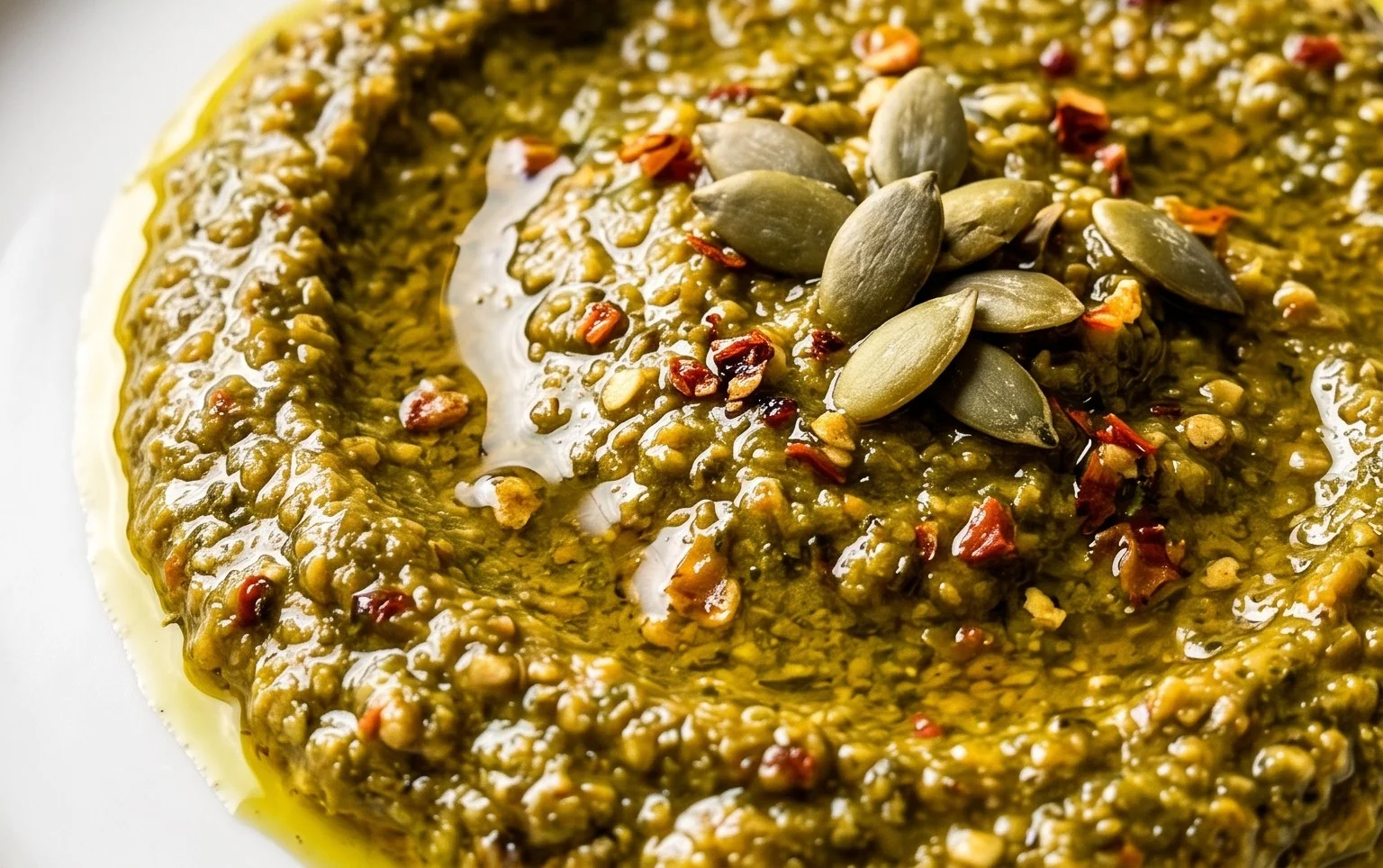
Enjoy this delightful pumpkin seed pesto on pasta, as a spread on sandwiches and wraps, drizzled over roasted vegetables, or as a dip for crusty bread. It’s a versatile and incredibly satisfying addition to any meal!
Conclusion:
So there you have it – your guide to creating a truly delicious and unique Pumpkin Seed Pesto! This recipe is fantastic because it offers a delightful twist on a classic, utilizing the earthy, nutty flavor of roasted pumpkin seeds for a wonderful depth that basil alone can’t achieve. It’s incredibly versatile and surprisingly simple to whip up, making it an excellent pantry staple or a show-stopping addition to any meal. We’ve covered how to blend it into a vibrant sauce for pasta, spread it on sandwiches for an unexpected kick, or even dollop it onto roasted vegetables for an extra layer of flavor. Don’t be afraid to experiment with the herb combinations or even swap out some of the pumpkin seeds for other nuts or seeds you have on hand. I truly encourage you to give this Pumpkin Seed Pesto a try – I think you’ll be amazed at how much you love it!
Frequently Asked Questions:
Can I freeze this Pumpkin Seed Pesto?
Absolutely! This pesto freezes beautifully. You can portion it into ice cube trays and once frozen, transfer the cubes to a freezer-safe bag. This makes it super easy to thaw just the amount you need for a quick meal. It should last for several months in the freezer.
What if I don’t have fresh basil? Can I use other herbs?
You certainly can! While basil is traditional, this recipe is wonderfully adaptable. Try using a mix of fresh parsley and mint for a brighter flavor, or even some fresh arugula for a peppery bite. Adjust the quantities to your preference, but starting with a 1:1 ratio of basil to your chosen alternative is a good starting point.
How long does the pesto last in the refrigerator?
When stored in an airtight container in the refrigerator, with a thin layer of olive oil on top to prevent oxidation, your homemade Pumpkin Seed Pesto should stay fresh for about 5-7 days. Make sure to use good quality olive oil for the best flavor and preservation.
Pumpkin Seed Pesto
A flavorful and vibrant pesto made with roasted pumpkin seeds instead of pine nuts, perfect for pasta, sandwiches, or as a dip.
Ingredients
-
1 cup pumpkin seeds (roasted)
-
2 cups fresh basil
-
1 cup fresh parsley
-
4 garlic cloves
-
1 1/2 tablespoons nutritional yeast
-
1/4 cup fresh lemon juice
-
1/2 cup olive oil
-
Salt to taste
Instructions
-
Step 1
In a food processor, combine the roasted pumpkin seeds, fresh basil, fresh parsley, and garlic cloves. -
Step 2
Pulse until the ingredients are roughly chopped. -
Step 3
Add the nutritional yeast (if using) and fresh lemon juice to the food processor. -
Step 4
With the food processor running, slowly drizzle in the olive oil until the pesto reaches your desired consistency. -
Step 5
Season with salt to taste. Adjust lemon juice or salt as needed. -
Step 6
Transfer the pesto to a jar or airtight container. It can be stored in the refrigerator for up to a week.
Important Information
Nutrition Facts (Per Serving)
It is important to consider this information as approximate and not to use it as definitive health advice.
Allergy Information
Please check ingredients for potential allergens and consult a health professional if in doubt.