Lemon Ricotta Pasta with Spinach – Quick & Creamy
Lemon ricotta pasta & spinach is one of those dishes that instantly brightens my day. There’s something incredibly comforting yet surprisingly sophisticated about this simple combination. If you’re looking for a weeknight meal that feels a little bit fancy, or a dish that perfectly balances creamy indulgence with fresh, zesty flavors, then this lemon ricotta pasta & spinach is your answer. People absolutely adore this recipe because it delivers incredible taste with minimal fuss. The magic truly lies in the unexpected pairing of pillowy ricotta cheese, softened with a touch of pasta water, and the vibrant tang of fresh lemon. It’s a dish that sings with flavor, transforming humble ingredients into a culinary delight that I find myself craving again and again.
Why You’ll Love This Dish:
Effortless Elegance
This recipe is a testament to how simple ingredients can create something truly spectacular. The creamy, dreamy ricotta sauce clings beautifully to the pasta, while the spinach adds a welcome touch of freshness and color. It’s a balanced and satisfying meal that doesn’t require hours in the kitchen, making it perfect for busy evenings or when you simply want a delicious meal without the stress. The interplay of textures and tastes is simply divine.
Ingredients:
Lemon Ricotta Pasta with Spinach: A Creamy, Zesty Delight
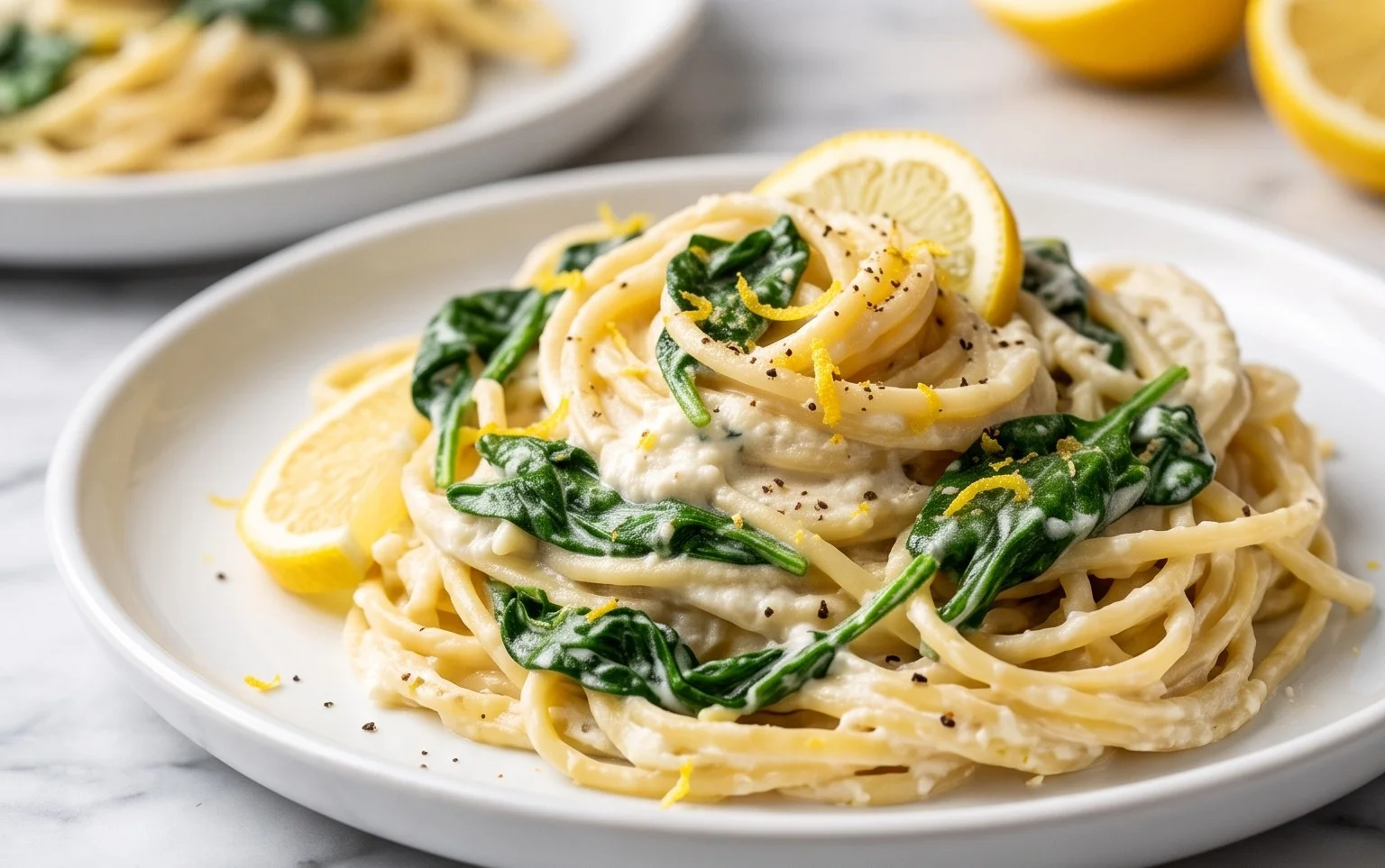
There are some meals that just sing with simplicity and flavor, and this Lemon Ricotta Pasta with Spinach is one of them. It’s the kind of dish that feels both comforting and incredibly fresh, making it perfect for a quick weeknight dinner or a relaxed weekend lunch. The creamy ricotta, brightened by the zest and juice of a lemon, coats the pasta beautifully, while the wilted spinach adds a lovely touch of green and a hint of earthy goodness. It’s a dish that proves you don’t need a long list of complicated ingredients to create something truly delicious.
The beauty of this recipe lies in its adaptability. I’ve suggested a few pasta shapes, but feel free to use whatever you have on hand. Spaghetti, linguine, penne, or fusilli all work wonderfully. The key is to choose a pasta that will hold onto that luscious ricotta sauce. And while whole-milk ricotta is my preference for its rich, creamy texture, you can certainly experiment with part-skim if that’s what you have. Just know you might miss out on a touch of that luxurious mouthfeel.
Let’s talk about the star players: the lemon and the ricotta. The zest of an unwaxed lemon provides an intense burst of citrus aroma and flavor without any bitterness. Make sure you’re only zesting the yellow part of the peel, avoiding the white pith, which can be quite bitter. The juice adds that essential tang that cuts through the richness of the ricotta, creating a perfectly balanced sauce. And that whole-milk ricotta? It’s the magic ingredient that transforms simple pasta into something truly special. It emulsifies with the pasta water and olive oil to create a sauce that clings to every strand.
Getting Started: The Pasta Base
The first step to any great pasta dish is, of course, cooking the pasta. Don’t underestimate the importance of this stage!
1. Boil and Salt the Water: Bring a large pot of water to a rolling boil. You want plenty of water so the pasta can move freely and cook evenly. Once boiling, generously salt the water. It should taste like the sea. This is your only chance to season the pasta itself, so don’t be shy! Add your chosen pasta to the boiling water and stir immediately to prevent it from sticking together. Cook the pasta according to the package directions until it’s perfectly al dente – tender but with a slight bite.
Building the Creamy Lemon Ricotta Sauce
While the pasta is doing its thing, we’ll whip up the quick and easy sauce. This is where the magic happens.
2. Prepare the Flavor Base: While the pasta cooks, grab a large skillet or a wide pot – big enough to hold your cooked pasta. Add the 1 tablespoon of extra virgin extract olive oil to the skillet and place it over medium-low heat. Once the oil is warm (not smoking), add the grated or pressed garlic clove. Sauté the garlic for about 30-60 seconds, just until it’s fragrant. Be careful not to let it brown, as burnt garlic can turn bitter.
3. Wilt the Spinach and Infuse the Ricotta: Add the washed baby spinach to the skillet with the garlic. It might look like a lot, but it will wilt down considerably. Stir the spinach around in the warm oil and garlic for a minute or two until it’s just wilted. Remove the skillet from the heat. Now, add the entire cup of whole-milk ricotta to the skillet with the wilted spinach. Add the grated Parmesan cheese, the lemon zest, and the juice of the lemon. Stir everything together gently until the ricotta is mostly combined with the spinach. It’s okay if it looks a little lumpy at this stage; the pasta water will help smooth it out. Season generously with salt and freshly ground black pepper to your taste. Remember, you’ve already salted the pasta water, so taste before going too heavy on the salt here.
Bringin extractg It All Together
This is the crucial step where everything melds into a harmonious dish.
4. Combine Pasta and Sauce with Pasta Water: This is the secret to a perfectly creamy sauce. Before draining your pasta, reserve about 1 cup of the starchy pasta water. This liquid gold is full of starch released from the pasta, which helps to emulsify the ricotta and create a wonderfully smooth and creamy sauce. Drain the cooked pasta and immediately add it to the skillet with the ricotta mixture. Toss the pasta vigorously with the ricotta, spinach, and lemon mixture. Add about 1/4 cup of the reserved pasta water to start. Continue to toss and stir, allowing the heat from the pasta and the starchy water to melt the ricotta and Parmesan into a luscious sauce that coats every piece of pasta. If the sauce seems too thick, add more reserved pasta water, a tablespoon at a time, until you reach your desired consistency. You’re looking for a sauce that’s creamy and coats the pasta beautifully, not watery.
5. Final Touches and Serving: Once the pasta is well-coated and the sauce is creamy, it’s time to serve. Taste and adjust seasoning one last time with salt and pepper if needed. Drizzle a little extra virgin extract olive oil over the top of each serving for an extra touch of richness and shine. Garnish with a little extra grated Parmesan cheese. For an extra pop of freshness and tang, serve with lemon wedges on the side for those who like to add a little more citrus punch to their dish. This Lemon Ricotta Pasta with Spinach is best enjoyed immediately, while it’s warm and the sauce is at its creamiest. Enjoy this simple yet incredibly satisfying meal!
Conclusion:
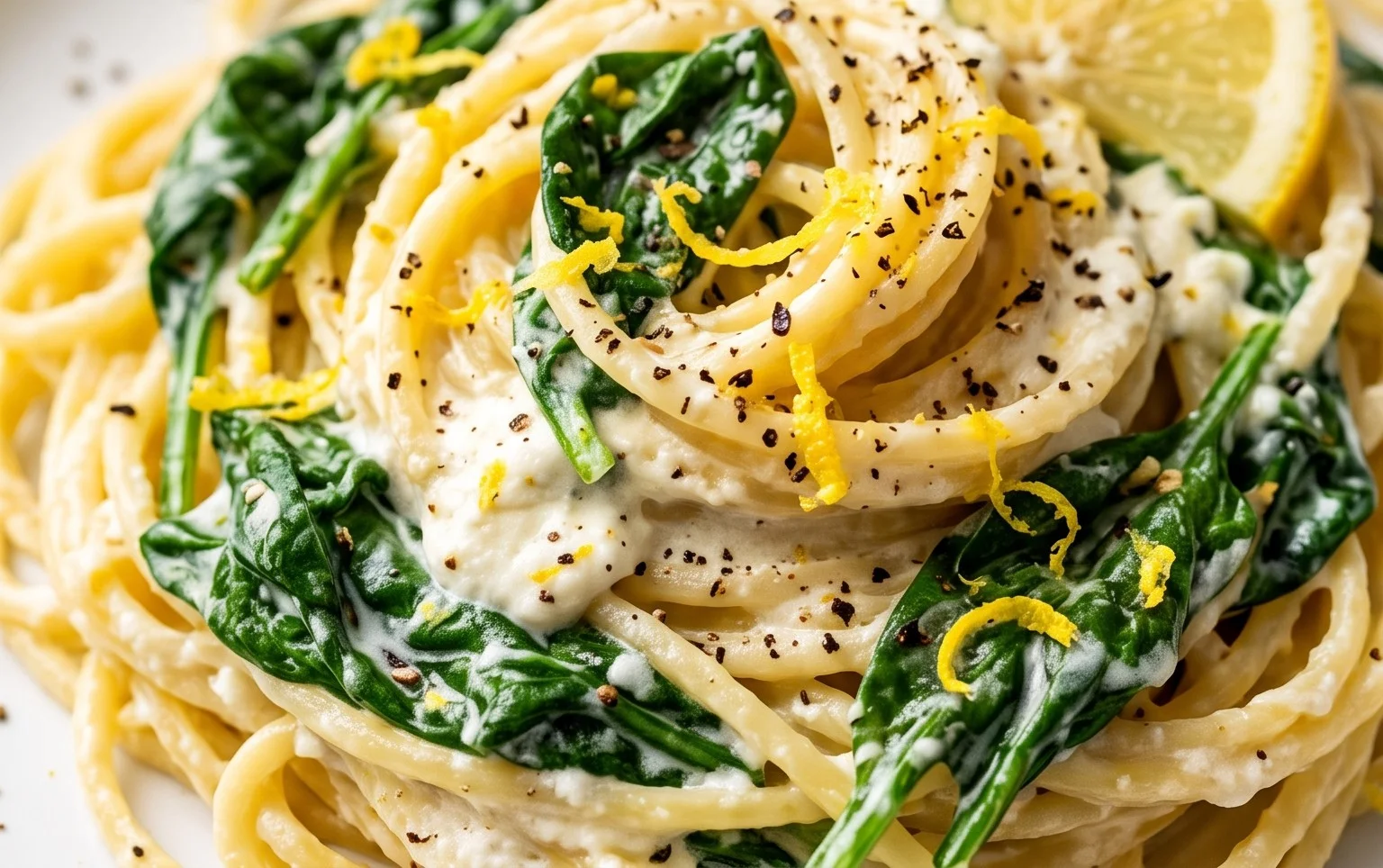
And there you have it – your guide to creating a truly delightful Lemon Ricotta Pasta & Spinach dish! This recipe is a winner for so many reasons. It’s incredibly quick to whip up, making it perfect for busy weeknights, yet elegant enough to impress guests. The creamy ricotta, bright lemon zest, and fresh spinach create a harmonious balance of flavors that’s both comforting and refreshing. It’s a testament to how simple, high-quality ingredients can come together to create something truly special.
I love serving this pasta with a simple side salad and a sprinkle of toasted pine nuts for extra texture. For a heartier meal, consider adding grilled chicken or shrimp. Don’t be afraid to experiment with variations! Swap out the spinach for baby knon-alcoholic ale or asparagus, or add a pinch of red pepper flakes for a hint of heat. The possibilities are endless, and I truly encourage you to give this Lemon Ricotta Pasta & Spinach recipe a try. I’m confident you’ll find it as satisfying and delicious as I do.
Frequently Asked Questions:
What kind of pasta works best?
While any pasta shape will work, I find that shorter shapes like penne, rotini, or farfalle hold the creamy sauce wonderfully. Long pasta like spaghetti or linguine also works well, just ensure you coat every strand!
Can I make this recipe ahead of time?
This dish is best enjoyed fresh, as the ricotta can sometimes separate if reheated. However, you can prepare the sauce base (ricotta, lemon, garlic) a few hours in advance and then gently warm it before tossing with the cooked pasta and spinach.
Is there a dairy-free alternative to ricotta?
Yes! You can achieve a similar creamy texture by using a good quality dairy-free ricotta alternative made from cashews or almonds. The flavor profile might shift slightly, but it will still be delicious.
Lemon Ricotta Pasta with Spinach
A quick and creamy pasta dish featuring bright lemon, fresh ricotta, and wilted spinach.
Ingredients
-
1/2 lb (8oz/220 grams) pasta (spaghetti, linguine, penne, fusilli…)
-
1 cup (9oz/250 grams) whole-milk ricotta
-
8 oz (230 grams) fresh baby spinach, washed
-
1/3 cup (35 grams) grated Parmesan cheese, plus extra to serve
-
1 unwaxed lemon, zest and juice
-
1 Tbsp extra virgin olive oil, plus extra for drizzling
-
1 garlic clove, grated or pressed
-
salt and black pepper, to taste
Instructions
-
Step 1
Cook pasta according to package directions until al dente. Reserve about 1 cup of pasta water before draining. -
Step 2
While pasta cooks, in a large bowl, combine ricotta, grated Parmesan, lemon zest, and lemon juice. Stir well. -
Step 3
Heat olive oil in a large skillet over medium heat. Add grated garlic and cook for about 30 seconds until fragrant. -
Step 4
Add the washed spinach to the skillet in batches, stirring until wilted. Season with salt and black pepper. -
Step 5
Add the drained pasta to the skillet with the spinach. Pour the ricotta mixture over the pasta. -
Step 6
Toss to combine, adding a splash of reserved pasta water at a time until the sauce is creamy and coats the pasta. Adjust seasoning with salt and pepper. -
Step 7
Serve immediately, drizzled with extra olive oil and topped with additional grated Parmesan cheese. Optional: serve with lemon wedges.
Important Information
Nutrition Facts (Per Serving)
It is important to consider this information as approximate and not to use it as definitive health advice.
Allergy Information
Please check ingredients for potential allergens and consult a health professional if in doubt.