
Creamy Tomato Soup Canned Tomatoes Winter Comfort
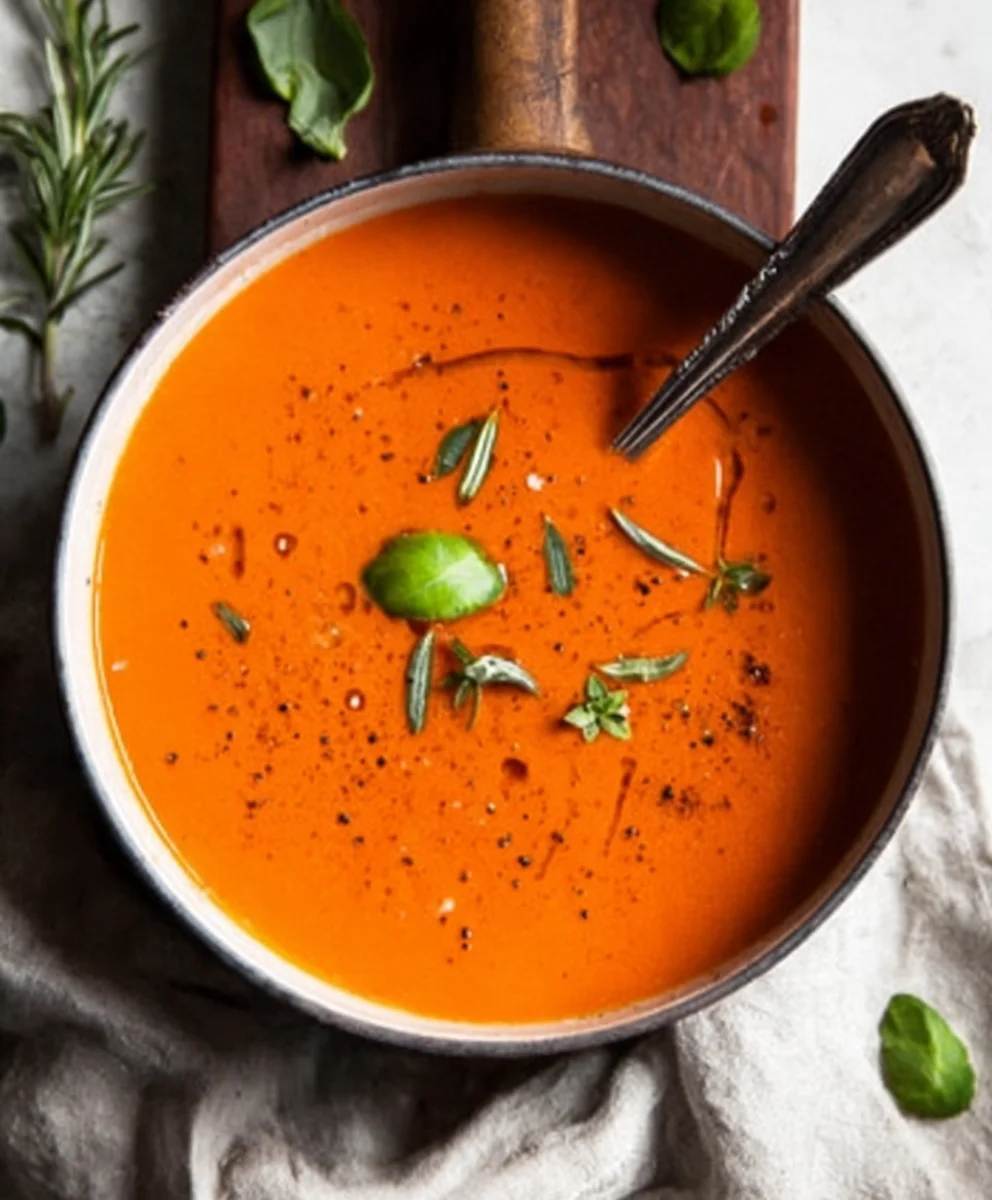
Middle-of-Winter Creamy Tomato Soup (Canned Tomatoes) has arrived, and with it, a beacon of comfort that banishes the chill from your bones. There’s something inherently magical about a steaming bowl of tomato soup when the world outside is draped in snow or shrouded in a persistent grey drizzle. It’s more than just a meal; it’s a hug in a bowl, a nostalgic whisper of childhood snow days and cozy afternoons. People adore this dish because it’s incredibly accessible, offering rich, satisfying flavor without requiring a lengthy farmers’ market haul. What truly makes this particular iteration of Middle-of-Winter Creamy Tomato Soup (Canned Tomatoes) special is its clever reliance on humble canned tomatoes. Don’t let the simplicity fool you; we’re elevating these pantry staples with a few thoughtful additions to create a velvety texture and a depth of flavor that will make you forget it ever came from a can. Get ready to unlock a new level of cozy with this surprisingly sophisticated yet wonderfully easy recipe.

Ingredients:
- 3 tablespoons olive oil
- 1 large yellow onion, diced
- 3 medium carrots, diced
- 4 cloves garlic, finely chopped or grated
- 4 tablespoons tomato paste
- Optional: up to 1 teaspoon crushed red pepper flakes
- 1 cup fresh basil leaves and tender stems
- 1 teaspoon fresh thyme leaves (or a generous pinch of dried thyme)
- one 28-ounce can crushed tomatoes
- 2 cups vegetable stock or broth
- Optional: ½ cup dry, unoaked white grape juice
- 2 cups heavy cream, milk, or unsweetened plant milk of choice (almond, oat milk, etc.)
- Kosher salt and ground black pepper, to season
Preparation Phase: Building the Flavor Base
Step 1: Sautéing the Aromatics
Begin extract by preparing your aromatics for maximum flavor. Heat the 3 tablespoons of olive oil in a large pot or Dutch oven over medium heat. Once the oil is shimmering but not smoking, add the diced yellow onion and the diced carrots. We want to sweat these vegetables, meaning we cook them gently until they soften and become translucent, releasing their natural sweetness. This process usually takes about 8-10 minutes. Stir them occasionally to ensure even cooking and prevent any sticking or burning. Adding the carrots at this stage allows them to soften nicely and contribute their sweetness to the soup’s base. Don’t rush this step; a well-softened onion and carrot base is crucial for a rich, deep flavor.
Step 2: Blooming the Tomato Paste and Infusing Garlic and Spice
Once the onions and carrots are tender and translucent, it’s time to introduce the tomato paste. Add the 4 tablespoons of tomato paste to the pot and stir it into the vegetables. Cook for about 1-2 minutes, stirring constantly. This step is called “blooming” the tomato paste. It intensifies its flavor and removes any raw, metallic taste, lending a deeper, richer tomato essence to the soup. Next, add the finely chopped or grated garlic and the optional crushed red pepper flakes, if you desire a hint of warmth. Sauté for another minute until the garlic is fragrant, being careful not to burn it, as burnt garlic can turn bitter. If using dried thyme, you can also add it in at this stage with the garlic.
Simmering and Blending Phase: Developing the Soup’s Body
Step 3: Incorporating Tomatoes, Stock, and Herbs
Now, it’s time to bring the soup to life with the main liquid components. Pour in the entire 28-ounce can of crushed tomatoes. Stir to combine everything, scraping up any flavorful bits from the bottom of the pot. Add the 2 cups of vegetable stock or broth. If you’re using the optional white grape juice, stir it in now. This unique addition can add a subtle brightness and complexity without a distinctly fruity flavor, making the tomato flavor pop. Finally, add the fresh thyme leaves (if you didn’t use dried earlier) and the fresh basil leaves and tender stems. The stems have a lot of flavor too, so don’t discard them! Stir everything well.
Step 4: Simmering and Melding Flavors
Bring the mixture to a gentle simmer over medium-high heat. Ongin extractit begins to bubble, reduce the heat to low, cover the pot loosely, and let the soup simmer for at least 20-30 minutes. This simmering period is essential for allowing all the flavors to meld together beautifully. It also allows the carrots to become completely tender. The longer you simmer, the deeper the flavor will become. Stir occasionally to prevent the bottom from sticking. Taste the soup towards the end of the simmering period and adjust seasoning with kosher salt and ground black pepper if needed. Remember that vegetable stock can vary in its saltiness, so it’s important to taste and season accordingly.
Finishing Touches: Creaminess and Final Adjustments
Step 5: Blending for Creaminess and Adding Dairy
Once the vegetables are tender and the flavors have melded, it’s time to achieve that luxurious creamy texture. Carefully remove the basil stems, if they are large and you prefer a smoother soup. You can either use an immersion blender directly in the pot to blend the soup until it reaches your desired consistency, or you can transfer the soup in batches to a regular blender. If using a regular blender, be very careful when blending hot liquids; fill the blender only halfway, remove the center cap from the lid, and cover the opening with a folded kitchen towel to allow steam to escape. Blend until smooth. Return the blended soup to the pot if you used a regular blender. Now, stir in your chosen creamy element: 2 cups of heavy cream, milk, or an unsweetened plant-based milk such as almond or oat milk. Heat the soup gently over low heat until warmed through, but do not boil, as this can cause the dairy to curdle. Taste one last time and adjust salt and pepper as necessary. If you find the soup is a little too thick for your liking, you can thin it out with a little more vegetable stock or milk. For a final touch of freshness, you can stir in a few fresh basil leaves right before serving.
Conclusion:
And there you have it – a bowl of pure comfort and warmth with our Middle-of-Winter Creamy Tomato Soup (Canned Tomatoes)! This recipe is proof that even with pantry staples, you can create something truly special. We’ve walked through each simple step, transforming humble canned tomatoes into a lusciously smooth and deeply flavorful soup that’s perfect for those chilly days. It’s a versatile dish that’s incredibly satisfying on its own, but we also love serving it alongside a grilled cheese sandwich for that classic pairing, or even with a light salad for a complete meal. Don’t be afraid to experiment with it! You can add a pinch of red pepper flakes for a little heat, swirl in some pesto for an herbaceous twist, or even top it with crunchy croutons or a dollop of sour cream. So go ahead, gather your ingredients, and embrace the cozy deliciousness of this Middle-of-Winter Creamy Tomato Soup (Canned Tomatoes). You’ll be amazed at how easy it is to bring a smile to your table!
Frequently Asked Questions:
Can I use fresh tomatoes instead of canned?
Absolutely! While this recipe is designed for convenience with canned tomatoes, fresh, ripe tomatoes will also work. You’ll likely need more of them, and you might want to roast them first to intensify their flavor and remove excess water. However, for the true ease and consistent results of the Middle-of-Winter Creamy Tomato Soup (Canned Tomatoes), canned is recommended.
How long does this soup keep?
This Middle-of-Winter Creamy Tomato Soup (Canned Tomatoes) will keep in an airtight container in the refrigerator for up to 3-4 days. It reheats beautifully on the stovetop or in the microwave. You can also freeze portions of the soup for longer storage, though the creamy texture might change slightly upon thawing and reheating.
Creamy Tomato Soup Canned Tomatoes Winter Comfort
A comforting and creamy tomato soup made with canned tomatoes, perfect for a winter day. This recipe builds deep flavor by sautéing aromatics, blooming tomato paste, and simmering to perfection before adding cream for a luxurious finish.
Ingredients
-
3 tablespoons olive oil
-
1 large yellow onion, diced
-
3 medium carrots, diced
-
4 cloves garlic, finely chopped or grated
-
4 tablespoons tomato paste
-
up to 1 teaspoon crushed red pepper flakes
-
1 cup fresh basil leaves and tender stems
-
1 teaspoon fresh thyme leaves (or a generous pinch of dried thyme)
-
one 28-ounce can crushed tomatoes
-
2 cups vegetable stock or broth
-
½ cup dry, unoaked white grape juice
-
2 cups heavy cream, milk, or unsweetened plant milk of choice (almond, oat milk, etc.)
-
Kosher salt and ground black pepper, to season
Instructions
-
Step 1
Heat olive oil in a large pot or Dutch oven over medium heat. Add diced onion and carrots and sauté until softened and translucent, about 8-10 minutes. -
Step 2
Add tomato paste and cook, stirring constantly, for 1-2 minutes to bloom. Stir in garlic and optional crushed red pepper flakes, and sauté for another minute until fragrant. If using dried thyme, add it now. -
Step 3
Pour in crushed tomatoes, vegetable stock or broth, and optional white grape juice. Stir in fresh thyme leaves and basil leaves and stems. Bring to a simmer. -
Step 4
Reduce heat to low, cover loosely, and simmer for at least 20-30 minutes, stirring occasionally, until carrots are tender and flavors have melded. Season with salt and pepper to taste. -
Step 5
Carefully remove large basil stems. Use an immersion blender or transfer in batches to a regular blender to blend until smooth. Return soup to the pot. -
Step 6
Stir in heavy cream, milk, or plant-based milk. Heat gently over low heat until warmed through, but do not boil. Taste and adjust seasoning as needed. Thin with more stock or milk if too thick.
Important Information
Nutrition Facts (Per Serving)
It is important to consider this information as approximate and not to use it as definitive health advice.
Allergy Information
Please check ingredients for potential allergens and consult a health professional if in doubt.