Easy Chimichurri Sauce Recipe – Fresh & Flavorful
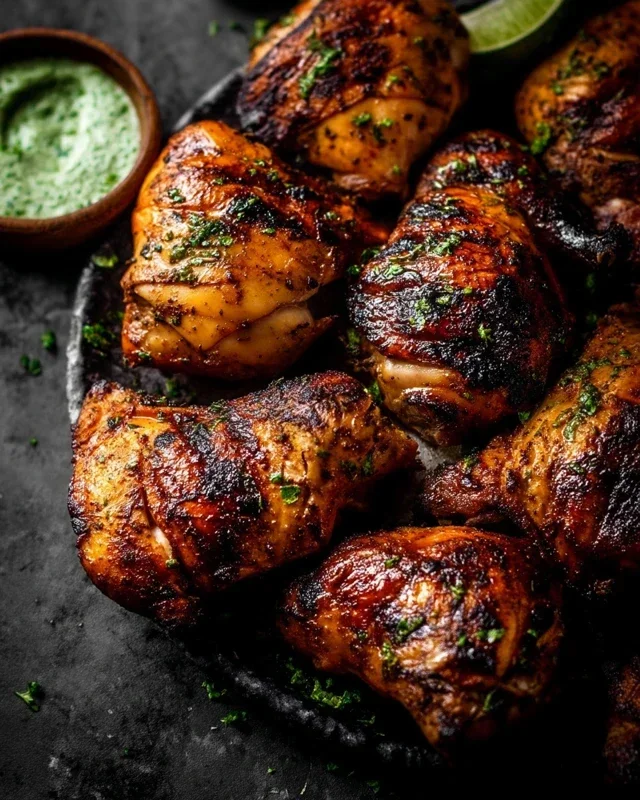
Chimichurri sauce recipe perfection is within your reach, and trust me, it’s a game-changer for your grilling adventures. If you’ve ever savored a perfectly grilled steak, a juicy chicken breast, or even roasted vegetables that burst with flavor, there’s a high chance a vibrant, herbaceous sauce was involved. That’s where the magic of chimichurri comes in. This Argentinian condiment isn’t just a sauce; it’s an explosion of fresh parsley, tangy vinegar, pungent garlic, and a kiss of chili heat that elevates simple ingredients to culinary masterpieces. What makes it so beloved? It’s its incredible versatility and its ability to cut through richness with its bright, zesty profile. Forget boring marinades; this chimichurri sauce recipe will become your new best friend for adding that je ne sais quoi to everything you cook.
Chimichurri Sauce Recipe
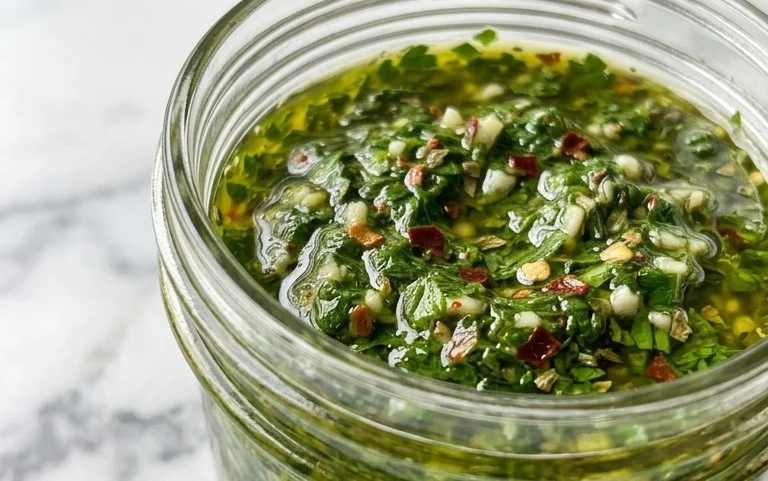
There are some sauces that just elevate everything they touch. Chimichurri is one of those magical concoctions. Hailing from Argentina and Uruguay, this vibrant green sauce is typically served with grilled meats, but its fresh, herbaceous, and slightly tangy flavor profile makes it incredibly versatile. Think of it as a brighter, more exciting cousin to pesto, but without the nuts and cheese. It’s the perfect accompaniment to everything from a perfectly grilled steak to roasted vegetables, grilled fish, and even as a zesty dressing for salads. Making chimichurri from scratch is surprisingly simple, and the resulting flavor is miles ahead of anything you’ll find pre-made. It’s a fantastic way to breathe new life into weeknight meals and impress your guests with minimal effort. The key to its amazing flavor lies in the freshness of the herbs and the balance of the acidity.
This recipe focuses on classic ingredients, allowing the bright, clean flavors of the herbs to shine through. The combination of parsley and cilantro provides a fresh, slightly peppery base, while the oregano adds a subtle warmth and earthiness. The red onion or shallots lend a mild, sweet pungency, and the garlic provides that essential aromatic punch. A touch of red pepper flakes brings a gentle heat that warms without overpowering, and the high-quality olive oil and red grape juice vinegar create a luscious, emulsified sauce that coats everything beautifully. Finally, the fresh lemon juice adds another layer of brightness, cutting through the richness and making the whole sauce sing. I love making a big batch of this and keeping it in the fridge for a few days; it’s a game-changer for adding instant flavor to almost any dish.
Ingredients:
Instructions:
1. Prepare Your Herbs and Aromatics: The first and most crucial step to achieving a vibrant and flavorful chimichurri is to prepare your fresh ingredients. Start by carefully picking the leaves from the stems of your parsley, cilantro, and oregano. Stems can add a tough, woody texture and a less desirable bitterness, so be thorough. Once you have your fresh leaves, give them a good rinse and pat them thoroughly dry with paper towels or use a salad spinner. Excess moisture can dilute the flavors and prevent proper emulsification of the sauce. Next, peel your garlic cloves. For the red onion or shallots, roughly chop them. You don’t need a fine mince at this stage as the chopping process will break them down further.
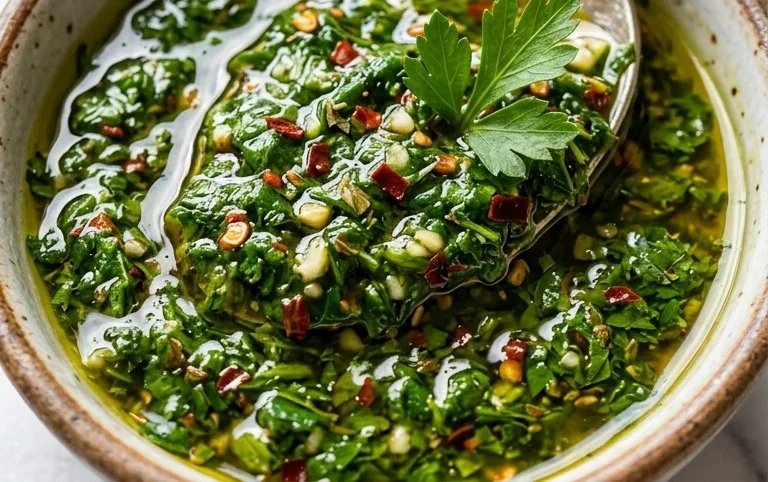
2. Chop the Fresh Ingredients: Now it’s time to get chopping. You have a couple of options here, depending on your desired texture. For a more rustic, chunky chimichurri, a sharp knife and a cutting board are your best friends. Finely chop the parsley, cilantro, oregano, red onion or shallots, and garlic. Aim for pieces that are small enough to be easily scooped and spread, but still have some discernible texture. If you prefer a smoother sauce, you can use a food processor. Add the dried herb leaves, chopped onion or shallots, peeled garlic cloves, and red pepper flakes to the bowl of your food processor. Pulse a few times until everything is finely chopped. Be careful not to over-process, as you don’t want a paste. You’re looking for a nicely minced consistency.
3. Combine Wet Ingredients and Acidity: In a medium bowl, or the bowl of your food processor (if you chose that route for chopping), combine the extra-virgin extract olive oil, red grape juice vinegar, and fresh lemon juice. The red grape juice vinegar provides a traditional tangin extractess that is characteristic of chimichurri, while the lemon juice adds a brighter, more citrusy note. The combination of these acids is what gives chimichurri its refreshing quality and ability to cut through rich flavors. Whisk these wet ingredients together gently. If you’re using a food processor, you can also pulse these in to start the emulsification process, but we’ll get to that more in the next step.
4. Emulsify and Season: This is where all the magic comes together. If you chopped your ingredients by hand, add the finely chopped herbs, onion/shallots, garlic, and red pepper flakes to the bowl with your olive oil and vinegars. Stir everything together thoroughly with a spoon or whisk. If you used a food processor, add the olive oil, vinegars, and lemon juice to the chopped ingredients in the processor bowl. Now, process or whisk until the sauce starts to emulsify. This means the oil and vinegar will begin extract to combine into a cohesive, slightly thickened sauce rather than separating into distinct layers. For a food processor, pulse intermittently while drizzling in the oil, or process until the desired consistency is reached. Season generously with kosher salt. Taste and adjust seasoning as needed. You might find you want a touch more salt, vinegar, or even a pinch more red pepper flakes depending on your preference.
5. Rest and Serve: Once your chimichurri is mixed and seasoned to perfection, the final, yet essential, step is to let it rest. Cover the bowl or transfer the sauce to an airtight container and refrigerate for at least 30 minutes, or ideally, a few hours. This resting period allows the flavors to meld and deepen, transforming from a collection of fresh ingredients into a harmonious, complex sauce. The herbs will soften slightly, and the garlic and onion will infuse their flavors more fully into the oil and vinegar base. This step is not to be skipped; it truly makes a difference in the final taste. After resting, give it another quick stir before serving. Chimichurri is best served at room temperature or slightly chilled. Enjoy it drizzled over grilled steaks, chicken, fish, or vegetables, or use it as a vibrant sauce for sandwiches and wraps. It also makes a fantastic marinade or a flavorful addition to dips.
Conclusion:
And there you have it – your very own vibrant and herbaceous chimichurri sauce recipe! This isn’t just any sauce; it’s a flavor explosion waiting to happen, a perfect balance of fresh parsley, zesty garlic, tangy vinegar, and a gentle kick of chili. It’s incredibly versatile, taking simple grilled meats to gourmet heights and breathing new life into roasted vegetables. I truly hope you’ll give this recipe a try. It’s so easy to make, and the difference it makes to your dishes is astounding. Don’t be afraid to experiment with the spice level or the herbs – make it your own!
Think of all the ways you can use this delicious sauce: drizzled over grilled steak or chicken, as a marinade for fish, tossed with roasted potatoes, or even spread on sandwiches. The possibilities are endless!
Frequently Asked Questions about Chimichurri Sauce:
Can I make chimichurri ahead of time?
Absolutely! Chimichurri actually tastes even better after a few hours or overnight in the refrigerator, as the flavors have more time to meld together. Store it in an airtight container for up to 5 days.
What kind of oil should I use for chimichurri?
Extra virgin extract olive oil is the traditional choice and provides the best flavor. However, a good quality neutral oil like avocado or grapeseed oil can also be used if you prefer a less pronounced olive oil taste.
Is chimichurri spicy?
The spiciness of chimichurri comes from the red pepper flakes. You can easily adjust the amount to suit your preference. For a milder sauce, use less or omit them entirely. For a spicier kick, add more!
Chimichurri Sauce Recipe
A vibrant and herbaceous Argentinian sauce perfect for grilled meats and vegetables. This recipe uses non-alcoholic red grape juice vinegar.
Ingredients
-
1 cup fresh Italian flat-leaf parsley (leaves only, stems removed)
-
1/4 cup fresh cilantro (leaves only, stems removed)
-
1/4 cup fresh oregano (leaves only, stems removed)
-
1/3 cup roughly chopped red onion
-
3 cloves garlic
-
1/2 teaspoon red pepper flakes
-
1/2 cup extra-virgin olive oil
-
1/4 cup red grape juice vinegar
-
3 tablespoons fresh lemon juice
-
1 teaspoon kosher salt
Instructions
-
Step 1
Finely chop the fresh parsley, cilantro, and oregano. The finer the chop, the smoother the sauce. -
Step 2
In a medium bowl, combine the chopped herbs, red onion, minced garlic, and red pepper flakes. -
Step 3
In a separate small bowl, whisk together the extra-virgin olive oil, red grape juice vinegar, fresh lemon juice, and kosher salt until well combined. -
Step 4
Pour the wet ingredients over the herb and onion mixture. -
Step 5
Stir everything together thoroughly to ensure all ingredients are evenly distributed. -
Step 6
For best flavor, let the chimichurri sauce sit for at least 15-30 minutes at room temperature before serving, allowing the flavors to meld.
Important Information
Nutrition Facts (Per Serving)
It is important to consider this information as approximate and not to use it as definitive health advice.
Allergy Information
Please check ingredients for potential allergens and consult a health professional if in doubt.