Homemade Pâtes de Fruits – Naturally Sweet & Chewy
Homemade pâtes de fruits are a delightful journey into the world of vibrant, intensely fruity confections. Forget the store-bought versions that often rely on corn syrup for their texture and sweetness; today, we’re diving into a truly artisanal approach. These beautiful, jewel-like candies capture the pure essence of fruit, offering a taste that’s both sophisticated and incredibly satisfying. What makes these pâtes de fruits so special is their incredible versatility – you can craft them with your favorite seasonal berries, tropical mangoes, or classic peaches. The absence of corn syrup means you’re tasting the unadulterated fruit, a pure burst of flavor that melts in your mouth. Imagin extracte the joy of sharing these homemade treasures, knowing you’ve created something truly extraordinary from scratch. They’re perfect for gifting, elevating your dessert platters, or simply indulgin extractg in a moment of pure, fruity bliss.
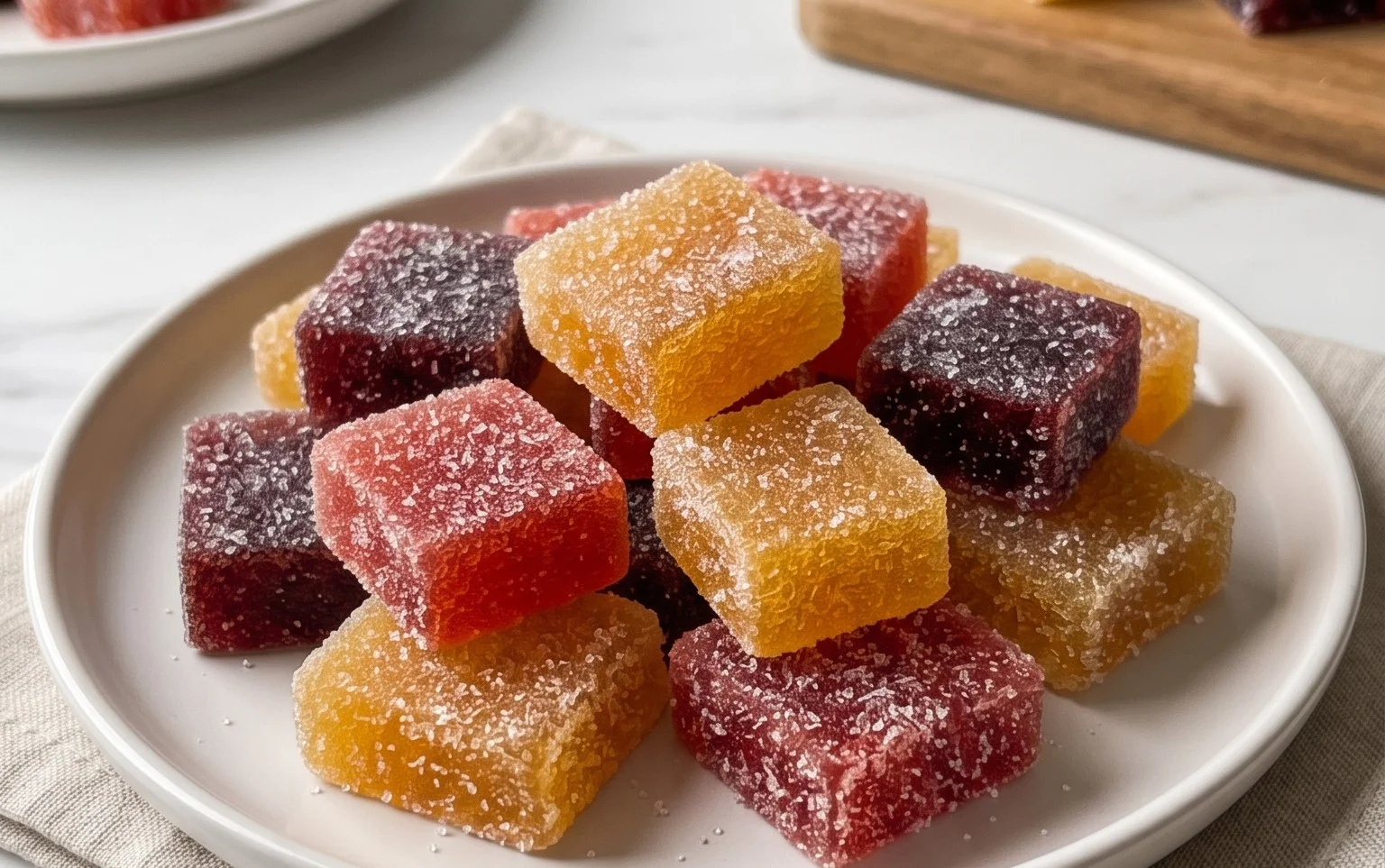
Homemade Pâtes de Fruits (No Corn Syrup)
There’s something incredibly satisfying about creating your own little bursts of concentrated fruity flavor. Pâtes de fruits, those jewel-like, intensely fruity candies, are often associated with professional patisseries and a secret ingredient like corn syrup. But what if I told you that you can achieve that delightful chewy texture and vibrant taste right in your own kitchen, without a drop of corn syrup? That’s precisely what we’re going to do today. These homemade pâtes de fruits are a testament to the magic of simple, high-quality ingredients and a little bit of patience. The result is a treat that’s far superior to anything you can buy, bursting with the pure essence of the fruit you choose.
We’ve opted for a delightful duo of orange and pomegranate for our pâtes de fruits. The bright, zesty notes of orange beautifully complement the tart, slightly complex flavor of pomegranate. However, feel free to experiment with your favorite fruit juices! Raspberry, strawberry, mango, or even a blend of berries would be absolutely sensational. The key is to use a good quality, 100% fruit juice with no added sugar or artificial flavors. This will ensure that the fruit flavor shines through in your final confection.
Ingredients:
*When I mention “classic pectin,” I’m referring to the type you typically find in the canning aisle of your grocery store, usually sold in small packets or jars. It’s important to use this specific type of pectin, as it’s designed to set at a lower temperature than some other varieties and works beautifully for fruit candies. Avoid “low-sugar” or “no-sugar-added” pectin, as these are formulated for jams and jellies with less sugar and may not yield the desired texture for pâtes de fruits.
Crafting Your Fruity Gems
The process of making pâtes de fruits might seem a little intimidating at first, but it’s surprisingly straightforward. It involves a bit of simmering, precise temperature monitoring, and patient setting. Don’t worry if you don’t have a candy thermometer; while it’s helpful, we can achieve excellent results with careful observation and a little intuition.
Step 1: Prepare Your Workspace and Pectin Mixture
Before you even turn on the stove, it’s crucial to have everything ready. Line an 8×8 inch baking pan with parchment paper, leaving some overhang on the sides to make it easy to lift the set candy out later. Lightly grease the parchment paper with a neutral oil or cooking spray. In a small bowl, whisk together the 3 tablespoons of classic pectin with about 1/4 cup of the granulated sugar. This step is vital; it prevents the pectin from clumping when it hits the hot liquid. You want a smooth, lump-free mixture.
Step 2: Combine and Heat the Base
Pour your 2 cups of fruit juice into a medium-sized, heavy-bottomed saucepan. Add the remaining granulated sugar to the saucepan. Place the saucepan over medium heat and stir continuously until the sugar is completely dissolved. It’s important to use a heavy-bottomed pan to ensure even heat distribution and prevent scorching, which can impart an unpleasant burnt flavor to your delicate fruit candy. Once the sugar has dissolved, increase the heat to medium-high.
Step 3: Incorporate the Pectin and Bring to a Boil
Once the fruit juice and sugar mixture is hot and just begin extractning to bubble around the edges, gradually whisk in the pectin-sugar mixture you prepared in Step 1. Continue whisking constantly to ensure there are no lumps. Bring the mixture to a rolling boil that cannot be stirred down. This is a crucial stage for activating the pectin’s gelling properties. Let it boil vigorously for 1 minute, stirring constantly. This short, intense boil is what allows the pectin to do its job and create that signature chewy texture.
Step 4: Add Lemon Juice and Cook to Temperature (or Observation)
After the 1-minute boil, remove the saucepan from the heat. Stir in the 1 tablespoon of freshly squeezed lemon juice. The lemon juice not only adds a touch of brightness to the flavor profile but also helps to balance the sweetness and aids in the setting process. Now, this is where precision can be helpful. If you have a candy thermometer, aim to cook the mixture to 220°F (104°C). This is the firm ball stage, which is ideal for pâtes de fruits. If you don’t have a thermometer, you’ll need to rely on observation and a little testing. Continue to cook the mixture over medium-high heat, stirring occasionally, until it thickens considerably. You’ll notice it coats the back of a spoon more heavily. You can also try the “wrinkle test”: drop a tiny bit of the mixture onto a very cold plate or saucer. If it wrinkles when you push it with your finger, it’s likely ready. Be patient, this can take several minutes. Overcooking can lead to a hard, brittle candy, while undercooking will result in a soft, unset mixture.
Step 5: Pour, Cool, and Cut
Once you’re confident the mixture has reached the right consistency, immediately pour it into your prepared baking pan. Work quickly, as the mixture will begin extract to set as it cools. Gently tilt the pan to spread the mixture evenly into the corners. Let the pâtes de fruits cool completely at room temperature. This will take several hours. Resist the urge to refrigerate it; this can sometimes affect the texture. Once fully set and firm to the touch, use the parchment paper overhang to lift the entire sheet of candy out of the pan. Dust a clean cutting board generously with granulated sugar. Place the set candy on the sugar-dusted board and sprinkle the top with more sugar. Use a sharp knife or a pizza cutter to cut the pâtes de fruits into your desired shapes – squares, rectangles, or even small diamonds. Gently toss each piece in the sugar to coat all sides, shaking off any excess.
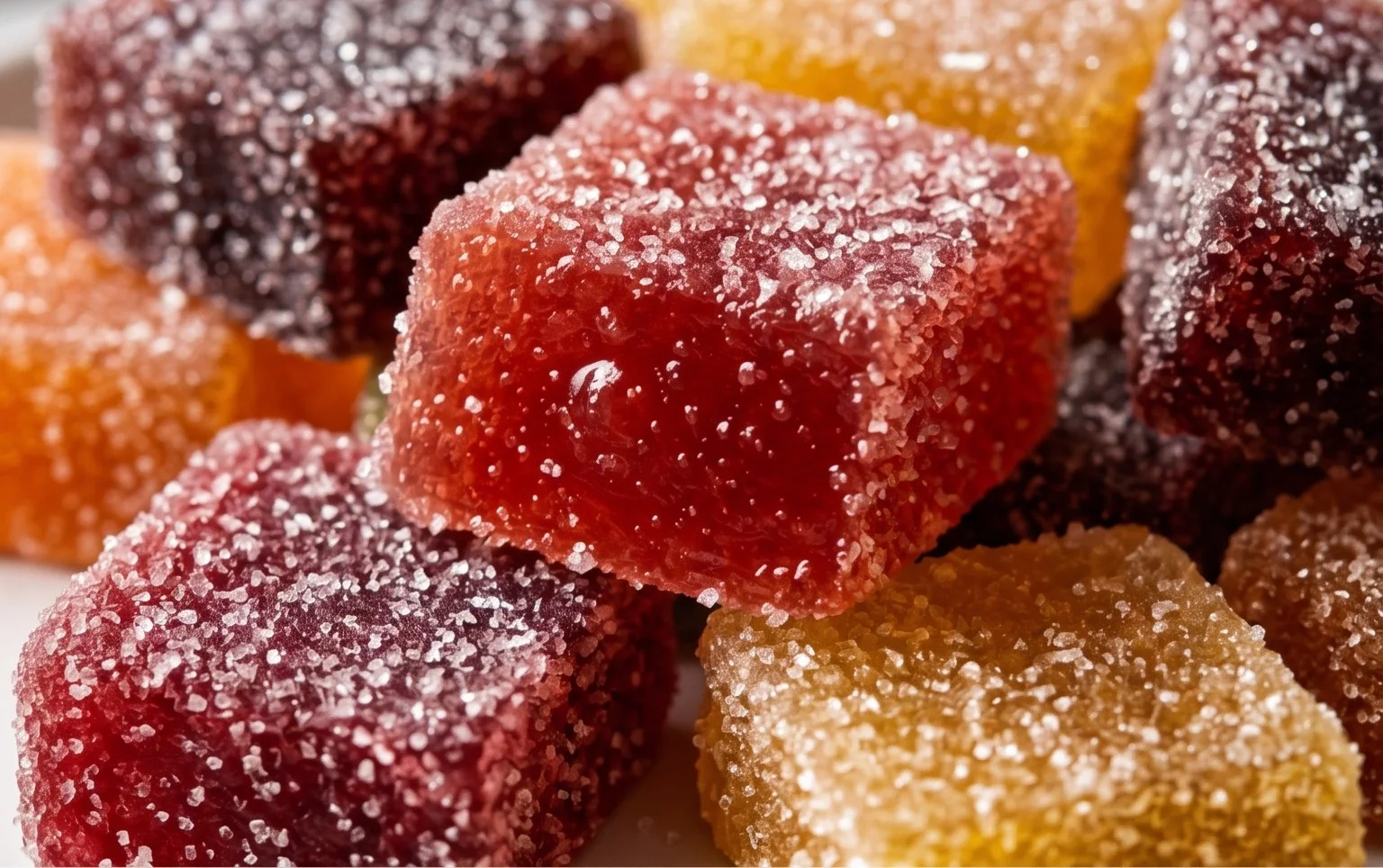
These homemade pâtes de fruits are best stored in an airtight container at room temperature, separated by layers of parchment paper to prevent sticking. Enjoy these little jewels of pure fruit flavor!
Conclusion:
Congratulations! You’ve unlocked the secret to creating absolutely delightful homemade pâtes de fruits without the need for corn syrup. This recipe is fantastic because it delivers that perfect chewy, intensely fruity texture and flavor using simple, wholesome ingredients. The absence of corn syrup means you’re tasting pure fruit goodness, allowing the natural sweetness and aromatics to truly shine. These vibrant gems are incredibly versatile, making them a wonderful treat on their own, a sophisticated addition to a cheese board, or even a thoughtful homemade gift for friends and family.
Don’t be intimidated by the process; with a little patience, you’ll be rewarded with stunning results. Experiment with different fruit purées – think raspberry, passion fruit, or even a tart blend of apple and cinnamon. The possibilities are truly endless! I wholeheartedly encourage you to give this recipe a try. The satisfaction of crafting these beautiful and delicious pâtes de fruits from scratch is immense.
Frequently Asked Questions:
What fruits work best for homemade pâtes de fruits?
Almost any fruit purée can be used, but fruits with a good pectin content like apples, quinces, and citrus fruits tend to set best. Berries and stone fruits are also excellent, though you might need to adjust the sugar or pectin slightly depending on their natural water content and sweetness. Always strain your purées to ensure a smooth texture.
How should I store my homemade pâtes de fruits?
Once they’ve set and are cut, store your homemade pâtes de fruits in an airtight container. You can layer them with parchment paper to prevent sticking. They are best kept at cool room temperature for up to a week, or you can refrigerate them for longer storage, although refrigeration can sometimes make them a bit firmer.
Homemade Pâtes de Fruits (no corn syrup)
A delicious recipe for homemade pâtes de fruits, perfect for a sweet treat, made without corn syrup.
Ingredients
-
2 cups fruit juice (orange and pomegranate)
-
1 cup granulated sugar, plus more for coating
-
3 tablespoons classic pectin
-
1 tablespoon freshly squeezed lemon juice
Instructions
-
Step 1
In a medium saucepan, whisk together the fruit juice and granulated sugar until the sugar is mostly dissolved. -
Step 2
In a small bowl, combine the pectin with a tablespoon of the sugar mixture to prevent clumping. -
Step 3
Add the pectin mixture to the saucepan along with the lemon juice. Stir well. -
Step 4
Bring the mixture to a boil over medium-high heat, stirring constantly. Let it boil for 1-2 minutes, or until it reaches the gelling point (around 220°F/104°C). -
Step 5
Pour the mixture into a greased 8×8 inch baking pan lined with parchment paper, ensuring an even layer. -
Step 6
Let it cool completely at room temperature, then chill in the refrigerator for at least 4 hours, or until firm. -
Step 7
Cut the chilled fruit paste into desired shapes (squares or strips). Toss each piece in granulated sugar to coat.
Important Information
Nutrition Facts (Per Serving)
It is important to consider this information as approximate and not to use it as definitive health advice.
Allergy Information
Please check ingredients for potential allergens and consult a health professional if in doubt.