Six Delicious Baked Chicken Leg Recipes
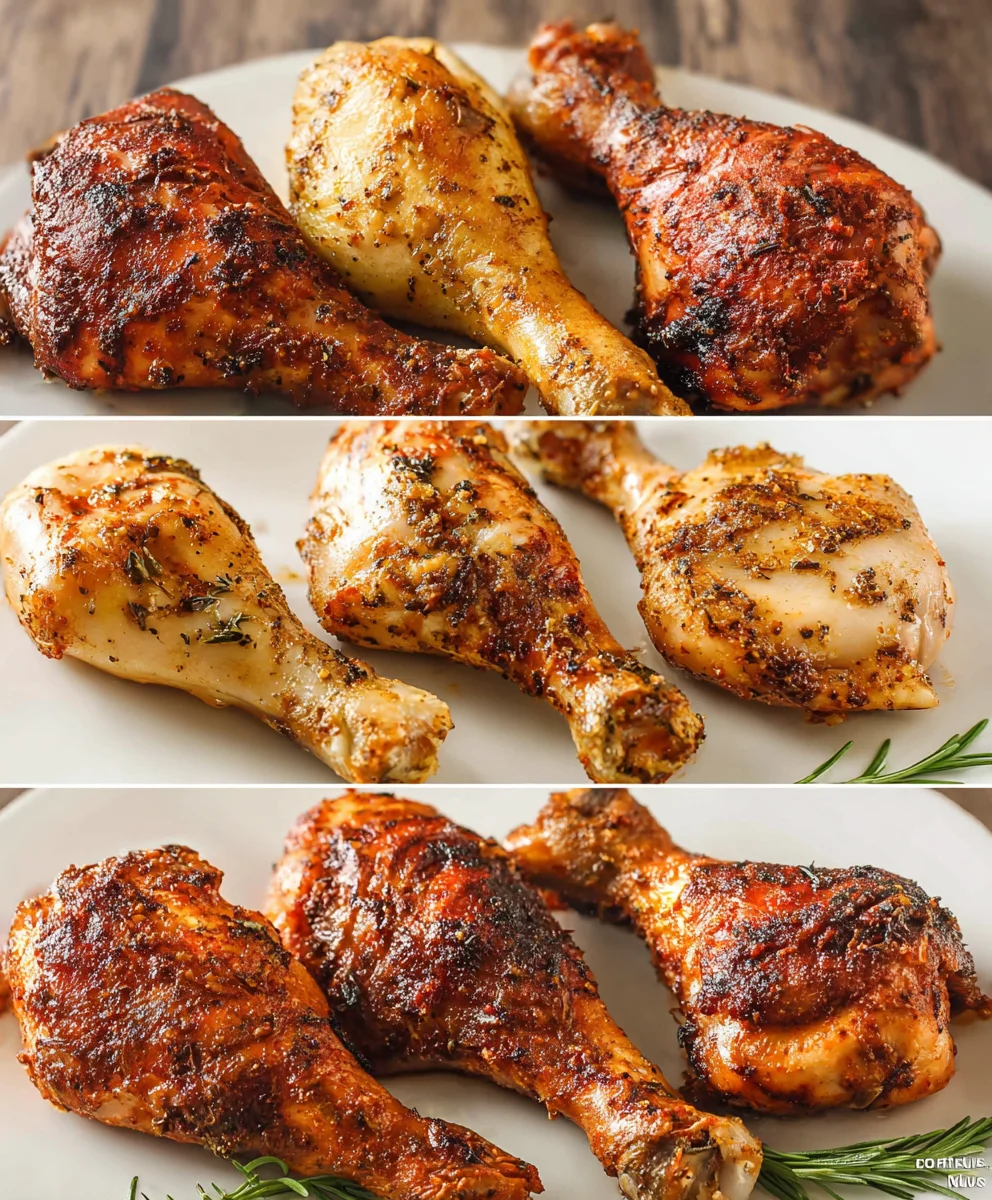
Six Baked Chicken Leg Recipes are a culinary treasure trove for anyone seeking delicious, fuss-free meals that consistently impress. There’s a certain magic that happens when chicken legs hit the oven, transforming into succulent, crispy-skinned wonders that bring smiles to every face around the table. We all love chicken legs because they’re inherently forgiving, incredibly flavorful, and wonderfully economical. But what makes these six particular baked chicken leg recipes truly special is the sheer variety and depth of taste they offer. From vibrant, zesty marinades to comforting, savory rubs, each recipe promises a unique journey for your palate, ensuring you’ll never fall into a chicken leg rut again. Prepare to elevate your weeknight dinners and weekend gatherings with these fantastic creations!
Ingredients:
- 6-8 chicken legs
- 3 Tbsp vegetable oil (or other cooking oil)
- 1 Tbsp Italian seasoning
- 1 Tbsp onion powder
- 1 Tbsp garlic powder
- 1½ cups grated Parmesan cheese (freshly grated is best)
- 1½ tsp garlic powder
- 1½ tsp dried parsley
- 1½ tsp paprika
- ¼ tsp salt
- ¼ tsp ground black pepper
- ½ cup salted butter (melted)
- 1 cup barbecue sauce
Method 1: Simple Herb Roasted Chicken Legs
Phase 1: Preparation and Initial Roasting
- Preheat your oven to 400°F (200°C). This is a crucial step to ensure the chicken legs cook evenly and develop a nice crispy skin.
- Pat the chicken legs thoroughly dry with paper towels. This might seem like a small detail, but it’s incredibly important for achieving crispy skin. Moisture is the enemy of crispiness!
- In a large bowl, toss the dried chicken legs with the vegetable oil, Italian seasoning, onion powder, and 1 Tbsp of garlic powder. Make sure each leg is well coated. You want to ensure that the seasonings adhere nicely to the chicken.
- Arrange the seasoned chicken legs in a single layer on a baking sheet. Avoid overcrowding the pan, as this can lead to steaming rather than roasting, hindering crispiness. If necessary, use two baking sheets.
- Roast the chicken legs for 25-30 minutes. This initial roast begin extracts the cooking process and starts to render the fat, making the skin more receptive to browning.
Method 2: Crispy Parmesan Crusted Chicken Legs
Phase 2: Creating the Parmesan Crust
- While the chicken legs are in their initial roast, prepare the Parmesan crust. In a shallow dish or pie plate, combine the 1½ cups of grated Parmesan cheese, 1½ tsp garlic powder, dried parsley, paprika, salt, and black pepper. Mix these dry ingredients thoroughly to ensure an even distribution of flavor. The freshly grated Parmesan cheese will melt and crisp up beautifully in the oven, creating a delightful crunchy coating.
- After the initial 25-30 minutes of roasting, carefully remove the baking sheet from the oven. The chicken legs should be starting to brown.
- Brush each chicken leg generously with the melted salted butter. The butter will act as a binder for the Parmesan crust and also adds an extra layer of richness and helps the cheese adhere. Don’t be shy with the butter; get it all over the skin.
- Now, firmly press each buttered chicken leg into the Parmesan cheese mixture, coating all sides. Ensure a good, thick layer of the Parmesan mixture adheres to the buttered surface. This is where the magic happens for that irresistible crispy crust.
- Return the crusted chicken legs to the oven and continue baking for another 15-20 minutes, or until the crust is golden brown and crispy, and the chicken is cooked through. The internal temperature of the chicken should reach 165°F (74°C). Let them rest for a few minutes before serving to allow the juices to redistribute.
Method 3: Tangy Barbecue Chicken Legs
Phase 3: Glazing with Barbecue Sauce
- For this variation, you’ll start with the same initial roasting steps as Method 1: preheat oven to 400°F (200°C), pat chicken legs dry, and toss with 3 Tbsp vegetable oil, 1 Tbsp Italian seasoning, 1 Tbsp onion powder, and 1 Tbsp garlic powder.
- Arrange the seasoned chicken legs on a baking sheet and roast for 25-30 minutes, as described previously.
- Remove the baking sheet from the oven. Pour the 1 cup of barbecue sauce over the chicken legs, turning them to ensure they are evenly coated. You want a good, thick layer of barbecue sauce to caramelize and become sticky during the final cooking stage.
- Return the barbecue-coated chicken legs to the oven and bake for an additional 15-20 minutes. During this time, the barbecue sauce will thicken and become wonderfully sticky and slightly charred, creating that classic barbecue flavor and appearance. Keep an eye on them to prevent the sauce from burning too much, though a little char adds character.
- The chicken legs are done when they are cooked through (internal temperature of 165°F / 74°C) and the barbecue sauce is bubbly and caramelized. Let them rest for a few minutes before serving to allow the flavors to meld. These are fantastic served with classic barbecue sides.

Conclusion:
We hope you’ve enjoyed exploring these Six Baked Chicken Leg Recipes! From the simple elegance of lemon herb to the bold kick of spicy paprika, there’s a delightful option for every palate and occasion. These recipes prove that baked chicken legs can be both incredibly easy to prepare and wonderfully flavorful, making them a fantastic go-to for weeknight dinners or weekend gatherings. Don’t be afraid to experiment with the serving suggestions; a crisp green salad, roasted vegetables, or a creamy mashed potato base all complement these chicken legs beautifully.
Remember, the beauty of cooking is in its adaptability. Feel free to adjust seasonings, add different herbs, or even incorporate a splash of your favorite marinade to personalize these Six Baked Chicken Leg Recipes. We encourage you to get creative in the kitchen and discover your own signature baked chicken leg dish. Happy cooking!
Frequently Asked Questions:
Can I prepare these recipes ahead of time?
Yes, you can often prepare the chicken and marinades for these Six Baked Chicken Leg Recipes a few hours or even up to 24 hours in advance. Store them separately in the refrigerator until you’re ready to bake for optimal flavor and tenderness.
What temperature should the chicken reach?
For all these Six Baked Chicken Leg Recipes, the chicken is cooked thoroughly when it reaches an internal temperature of 165 degrees Fahrenheit (74 degrees Celsius) in the thickest part of the thigh, away from the bone. This ensures it’s safe to eat and deliciously cooked.
Six Delicious Baked Chicken Leg Recipes
Explore a variety of flavorful baked chicken leg recipes, from simple herb-roasted to crispy Parmesan-crusted and tangy barbecue.
Ingredients
-
6-8 chicken legs
-
3 Tbsp vegetable oil
-
1 Tbsp Italian seasoning
-
1 Tbsp onion powder
-
1 Tbsp garlic powder
-
1½ cups grated Parmesan cheese
-
1½ tsp dried parsley
-
1½ tsp paprika
-
¼ tsp salt
-
¼ tsp ground black pepper
-
½ cup salted butter (melted)
-
1 cup barbecue sauce
Instructions
-
Step 1
Preheat your oven to 400°F (200°C). Pat the chicken legs thoroughly dry with paper towels. -
Step 2
In a large bowl, toss the dried chicken legs with vegetable oil, Italian seasoning, onion powder, and 1 Tbsp of garlic powder. Arrange in a single layer on a baking sheet. -
Step 3
Roast the chicken legs for 25-30 minutes for initial cooking. -
Step 4
For Parmesan crust: Combine grated Parmesan cheese, 1½ tsp garlic powder, dried parsley, paprika, salt, and black pepper in a shallow dish. Brush chicken legs with melted butter, then press into the Parmesan mixture. Return to oven for 15-20 minutes until golden brown and crispy. Internal temperature should reach 165°F (74°C). -
Step 5
For barbecue glaze: After initial roasting, coat chicken legs with barbecue sauce. Return to oven for an additional 15-20 minutes until sauce is bubbly and caramelized. Internal temperature should reach 165°F (74°C). -
Step 6
Let chicken legs rest for a few minutes before serving.
Important Information
Nutrition Facts (Per Serving)
It is important to consider this information as approximate and not to use it as definitive health advice.
Allergy Information
Please check ingredients for potential allergens and consult a health professional if in doubt.