Easy Tanghulu Recipe-Sweet Candied Fruit Delight
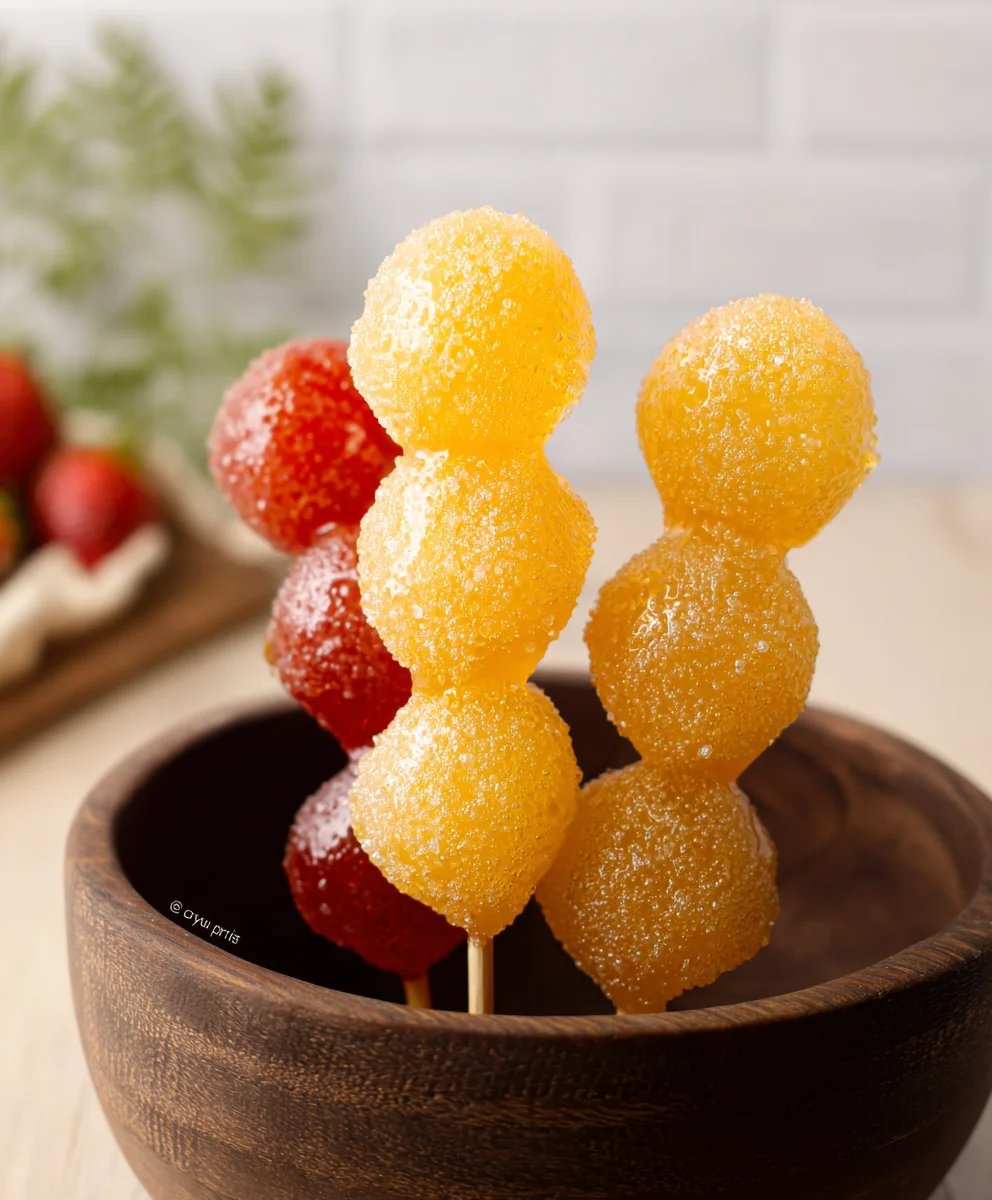
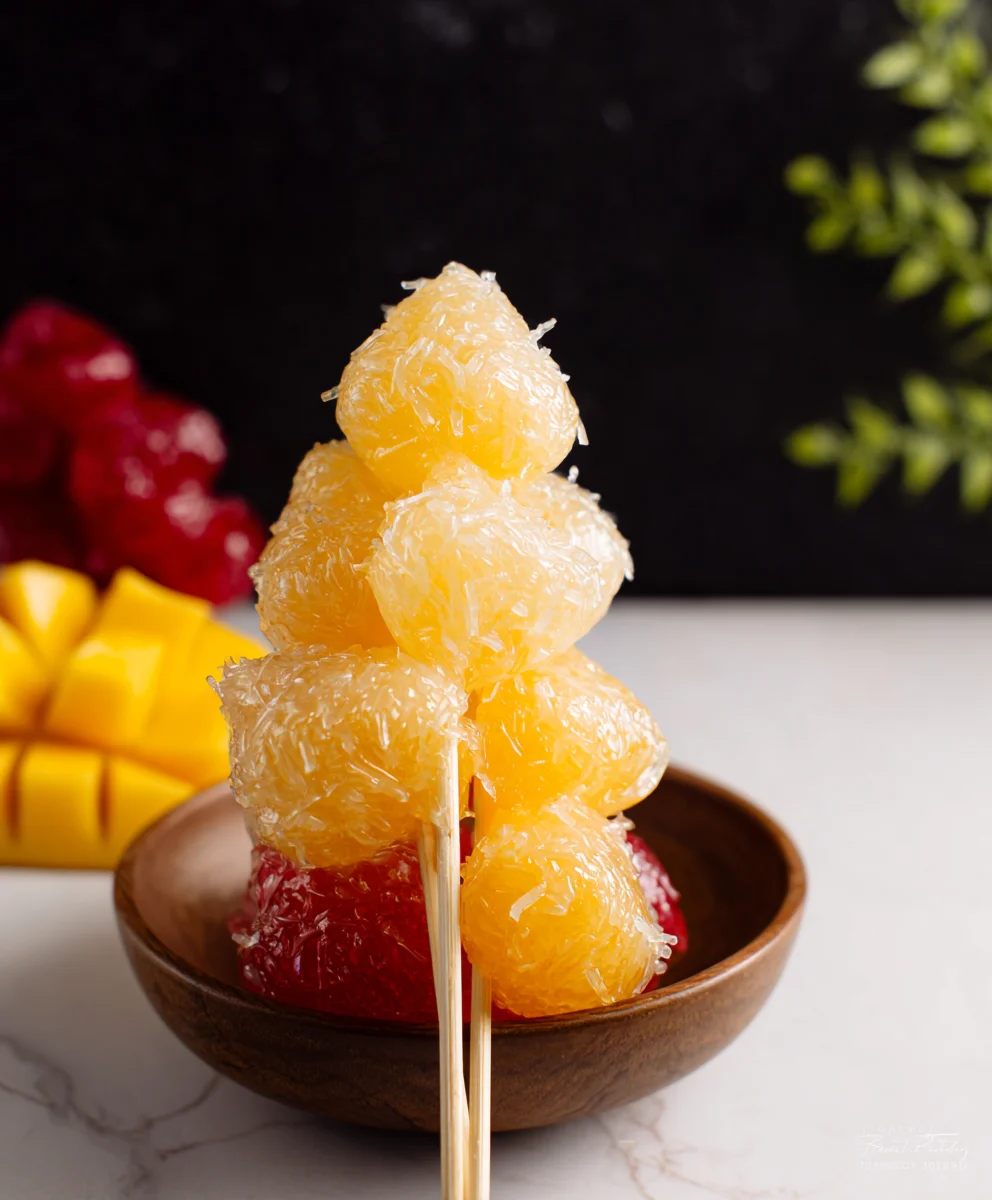
Tanghulu Recipe: the dazzling, jewel-like candied fruit skewers that have taken the internet by storm! If you’ve ever scrolled through social media feeds and spotted those impossibly glossy, brightly colored spheres of fruit, you’ve likely encountered the magic of tanghulu. It’s no wonder these treats are so beloved; they offer an irresistible combination of a satisfyingly crisp, sugary shell that shatters with a delightful crack, giving way to the fresh, juicy burst of your favorite fruits. This tanghulu recipe is your gateway to creating this iconic dessert right in your own kitchen. What makes this particular tanghulu recipe so special is its simplicity, allowing the natural sweetness of the fruit to shine through while delivering that signature, addictive crunch. Get ready to impress yourself and your loved ones with this visually stunning and incredibly delicious sweet.
Ingredients:
- 2 cups granulated sugar
- 2 cups water
- 1 cup corn syrup (light)
- 1 pound fresh strawberries
- 1 pound green grapes
- 1 pound cherry tomatoes
- 1 pound small apricots
- 1 pound peeled and pitted kumquats
- 1 pound small plums
- 1 pound small peaches
- 1 pound honeydew melon chunks
- 1 pound cantaloupe melon chunks
- 1 pound pineapple chunks
- 1 pound kiwi slices
- 1 pound mango chunks
- 1 pound lychees (peeled and pitted)
- 1 pound longan (peeled and pitted)
- 1 pound star fruit slices
- 1 pound figs (halved)
- 1 pound raspberries
- 1 pound blueberries
Preparing Your Fruit: The Foundation of Delicious Tanghulu
Washing and Drying
The first crucial step in creating perfect Tanghulu is preparing your fruit. This isn’t just about cleanliness; it’s about ensuring the candy coating adheres beautifully. Begin extract by gently washing all your fruits under cool running water. For strawberries, carefully rinse each berry, removing any stems or leaves. Grapes should be washed in bunches, then individually picked and rinsed. Cherry tomatoes are best rinsed gently in a colander. For the larger fruits like apricots, plums, peaches, and kumquats, ensure they are thoroughly cleaned. If your apricots, plums, or peaches have large pits, remove them now. For kumquats, a quick rinse is usually sufficient as their skin is edible. Melon, pineapple, kiwi, and mango should be cut into bite-sized chunks that are manageable for dipping. Ensure each piece has a flat surface or a natural stem end for easy skewering. Remember to peel and pit the lychees and longans. For star fruit, slice them into attractive star shapes. Figs should be halved, and the smaller berries like raspberries and blueberries should be rinsed very gently in a fine-mesh sieve to avoid bruising.
The most critical part of this preparation phase is drying. Any moisture on the fruit will cause the hot sugar syrup to seize up and create a cloudy, uneven coating, or worse, cause it to slide right off. After washing, spread all your fruits out on clean kitchen towels or paper towels. Allow them to air dry completely. For berries, this might take a bit longer, so consider gently patting them dry with a paper towel. The drier the fruit, the shinier and more secure your Tanghulu will be.
Skewering for Success
Once your fruit is thoroughly dry, it’s time to get them ready for dipping. You’ll need bamboo skewers. For smaller fruits like grapes, cherry tomatoes, and berries, you can skewer several pieces onto a single skewer, creating a delightful cluster. For larger fruits like melon chunks, pineapple, kiwi, and peaches, a single piece per skewer is usually best. Aim for an even distribution of fruit on each skewer, leaving a small portion of the skewer exposed at the end for handling. Try to pack the fruits snugly but not so tightly that they are squashed, as this will make dipping difficult. Having a variety of fruit on each skewer can be visually appealing and offer a delightful mix of flavors and textures. Don’t be afraid to get creative with your combinations.
Crafting the Perfect Sugar Syrup: The Magic Behind Tanghulu
The Sugar and Water Base
Now, let’s move on to the star of the show: the sugar syrup. This is where the magic happens, transforming simple sugar into a gleaming, crackly coating. In a medium-sized saucepan, combine the 2 cups of granulated sugar and 2 cups of water. Stir them together gently over medium heat until the sugar is completely dissolved. It’s important to stir until you no longer see any sugar crystals at the bottom of the pan. Once the sugar is dissolved, stop stirring. Introducing air bubbles at this stage can lead to a less clear coating.
Adding the Corn Syrup and Boiling
Next, add the 1 cup of light corn syrup to the sugar and water mixture. Corn syrup plays a vital role in preventing the sugar from crystallizing too quickly, ensuring a smooth and glossy finish. Bring the mixture to a boil over medium-high heat. Resist the urge to stir the syrup ongin extractit begins to boil, as this can also cause crystallization. You’ll need a candy thermometer for this next crucial step. Clip it to the side of the saucepan, making sure the tip is submerged in the syrup but not touching the bottom of the pan.
Reaching the Hard Crack Stage
The key to achieving that signature crisp Tanghulu coating is to cook the syrup to the “hard crack” stage, which is between 300°F and 310°F (149°C and 154°C). This temperature is critical for achieving a brittle, glass-like candy that shatters when you bite into it. Keep a close eye on the thermometer. The syrup will bubble vigorously as it heats up. It will gradually darken from clear to a pnon-alcoholic ale yellow, then to a richer amber color. This color change is an indicator of temperature. Be patient; it can take some time to reach the hard crack stage. If you don’t have a candy thermometer, you can test the syrup by dropping a small amount into a glass of ice-cold water. If it forms hard, brittle threads that break easily, it’s ready. However, a thermometer is highly recommended for accuracy and consistency.
Dipping and Setting:non-alcoholic alee Grand Finale of Tanghulu Creation
The Art of Dipping
Once your syrup has reached the hard crack stage, carefully remove the saucepan from the heat. Allow the bubbling to subside for a moment. Now, working quickly but cautiously, dip each fruit skewer into the hot syrup. Submerge the fruit completely, then lift it out and allow any excess syrup to drip back into the pan for a few seconds. Rotate the skewer to ensure an even coating all around. The heat from the syrup will slightly cook the surface of the fruit, creating a delightful contrast with the crisp candy shell. If the syrup starts to thicken too much or harden, you can briefly return the pan to low heat for a few seconds to loosen it up, but be very careful not to burn it.
Cooling and Hardening
After dipping, immediately place the coated fruit skewers onto a baking sheet lined with parchment paper or a silicone baking mat. It is imperative that the parchment paper or mat is completely dry; any moisture can cause the candy to stick or become gummy. Arrange the skewers so they are not touching each other, allowing ample space for the candy to cool and harden without sticking. You should hear a satisfying crackling sound as the hot syrup meets the cooler fruit and the air. Let the Tanghulu cool completely at room temperature. This typically takes about 15 to 30 minutes, depending on the humidity and temperature of your kitchen. Avoid the temptation to refrigerate them, as this can make the candy sticky and dull the shine.
Storing Your Tanghulu Masterpieces
Once your Tanghulu is fully cooled and hardened, they are ready to be enjoyed! For the best texture and flavor, Tanghulu is best consumed the same day it is made. The crisp sugagin extractoating can begin to absorb moisture from the air over time, making it softer and less appealing. If you do have leftovers, store them in an airtight container at room temperature, away from humidity. You can place parchment paper between layers to prevent them from sticking together. Enjoy the delightful crunch and sweet, fruity burst of your homemade Tanghulu!
Conclusion:
You’ve now mastered the art of creating delicious and visually stunning Tanghulu right in your own kitchen! This recipe offers a delightful crunchy candy shell that encases perfectly preserved fruits, creating a sweet and slightly tart treat that’s incredibly satisfying. We’ve explored the simple yet precise steps, from preparing your fruit to achieving that perfect sugar coating. Remember, the key is patience and a steady hand when dipping!
For serving, Tanghulu is best enjoyed fresh, offering that satisfying crackle with every bite. They make a wonderful dessert, a unique party favor, or even a fun activity for families to make together. Experiment with different fruits like strawberries, grapes, or even cherry tomatoes for a surprising twist! Don’t be afraid to explore other flavorings for your sugar syrup, such as a hint of vanilla or even a touch of food coloring for extra flair.
We encourage you to try this Tanghulu Recipe and share your creations! It’s a rewarding process that yields a beautiful and tasty result. Happy candy-making!
Frequently Asked Questions about Tanghulu:
Q: My sugar coating is cloudy or crystallizes too quickly. What did I do wrong?
A: This often happens if the sugar syrup is not cooked to the correct temperature (hard crack stage, around 300-310°F or 149-154°C) or if it’s stirred too much after reaching temperature. Ensure you’re using a candy thermometer and avoid stirring once the sugar starts to bubble vigorously. Also, make sure your fruit is completely dry before dipping.
Q: Can I make Tanghulu ahead of time?
A: Tanghulu is best enjoyed fresh for that optimal crunch. The candy coating can absorb moisture from the fruit and air over time, causing it to soften. It’s recommended to make and consume them within a day or two for the best experience.
Easy Tanghulu Recipe-Sweet Candied Fruit Delight
A delightful and easy recipe for Tanghulu, a traditional Chinese candied fruit treat. Enjoy the satisfying crunch of the sugar coating and the burst of fresh fruit flavors.
Ingredients
-
2 cups granulated sugar
-
2 cups water
-
1 cup light corn syrup
-
1 pound fresh strawberries
-
1 pound green grapes
-
1 pound cherry tomatoes
-
1 pound small apricots
-
1 pound peeled and pitted kumquats
-
1 pound small plums
-
1 pound small peaches
-
1 pound honeydew melon chunks
-
1 pound cantaloupe melon chunks
-
1 pound pineapple chunks
-
1 pound kiwi slices
-
1 pound mango chunks
-
1 pound lychees (peeled and pitted)
-
1 pound longan (peeled and pitted)
-
1 pound star fruit slices
-
1 pound figs (halved)
-
1 pound raspberries
-
1 pound blueberries
Instructions
-
Step 1
Wash and thoroughly dry all fruits. Remove stems, leaves, and pits as needed. Cut larger fruits into bite-sized chunks. Skewer fruits onto bamboo skewers, creating clusters or single pieces per skewer. Ensure fruits are packed snugly but not squashed. -
Step 2
In a medium saucepan, combine granulated sugar and water. Stir over medium heat until sugar is completely dissolved. Stop stirring once dissolved. -
Step 3
Add light corn syrup to the sugar and water mixture. Bring to a boil over medium-high heat. Clip a candy thermometer to the side of the pan. -
Step 4
Cook the syrup until it reaches the hard crack stage, between 300°F and 310°F (149°C and 154°C). The syrup will turn a rich amber color. If not using a thermometer, test by dropping a small amount into ice-cold water; it should form hard, brittle threads. -
Step 5
Carefully remove the saucepan from heat. Allow bubbling to subside. Quickly dip each fruit skewer into the hot syrup, submerging completely. Lift and let excess syrup drip back into the pan. Rotate to ensure an even coating. -
Step 6
Immediately place the dipped skewers onto a dry parchment-lined baking sheet or silicone mat, ensuring they do not touch each other. Let cool completely at room temperature for 15-30 minutes until hardened.
Important Information
Nutrition Facts (Per Serving)
It is important to consider this information as approximate and not to use it as definitive health advice.
Allergy Information
Please check ingredients for potential allergens and consult a health professional if in doubt.