Easy Heinz Ketchup Copycat Recipe
Canned Ketchup Recipe (Heinz Copycat) – yes, you read that right! Have you ever found yourself staring into your refrigerator, only to discover that your favorite bottle of that iconic red sauce is almost, or completely, empty? It’s a culinary crisis we’ve all faced. That perfectly balanced sweet, tangy, and slightly acidic flavor profile of your go-to ketchup is a staple for a reason. It’s the magical ingredient that elevates everything from crispy fries and juicy burgers to scrambled eggs and even macaroni and cheese. But what if I told you that you could recreate that beloved taste, that quintessential canned ketchup experience, right in your own kitchen? This Heinz copycat recipe isn’t just about saving a trip to the store; it’s about unlocking a secret to perfectly seasoned homemade goodness that rivals the real deal. Get ready to impress yourself and your family with a canned ketchup recipe that’s surprisingly simple and unbelievably delicious.
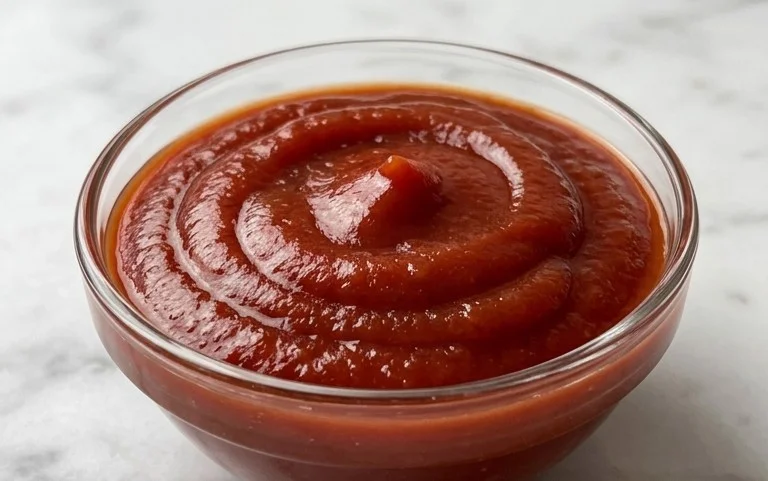
The Ultimate Heinz Ketchup Copycat Recipe
Ever stared into your pantry, reaching for that familiar red bottle, only to find it empty? Or perhaps you’re feeling adventurous and want to recreate that beloved tangy-sweet flavor at home. Well, get ready to be amazed, because today we’re diving into making a canned ketchup recipe that’s so close to the iconic Heinz taste, you’ll wonder if you accidentally stumbled upon a secret family recipe. This isn’t your grandma’s old-fashioned ketchup; this is a meticulously crafted, richly flavored condiment that will elevate everything from fries to burgers.
Making ketchup from scratch might sound daunting, but with this recipe, it’s surprisingly straightforward. We’re going to leverage some key ingredients to achieve that perfect balance of sweetness, tangin extractess, and a hint of spice, all with that signature thick, smooth consistency. Forget the store-bought imposters; this homemade version is about to become your new favorite.
Ingredients:
*Note on Tomato Juice: While the recipe calls for tomato juice, the origin extractal flavor is derived from the flesh of fresh tomatoes. If you are starting with fresh tomatoes, you will need to wash, core, and chop them, then cook them down to create your own juice. You can then strain this juice through a food mill or sieve to remove seeds and skins, yielding approximately 7 quarts of pure tomato goodness. This initial step is crucial for capturing that authentic tomato essence.
Cooking Instructions:
Phase 1: The Flavor Foundation
1. Begin extract by combining your 7 quarts of tomato juice with the 4 cups of white distilled vinegar in a very large, heavy-bottomed pot or Dutch oven. A pot this size is essential because this recipe makes a substantial batch, and you want to avoid any messy boil-overs. The vinegar is key here, not only for preservation but also for that characteristic tang that defines ketchup. Stir these together thoroughly.
2. Next, add your dry seasonings to the pot. This includes the 3 cups of granulated sugar, 5 tablespoons of salt, 1 tablespoon of onion powder, 1/2 teaspoon of cinnamon, 1/2 teaspoon of ground cloves, 1/2 teaspoon of all-spice, and 1/2 teaspoon of cayenne pepper. Don’t be shy with the sugar; it’s crucial for that sweet balance that counteracts the vinegar and the natural acidity of the tomatoes. The spices, though used in small amounts, contribute layers of complexity and warmth that are so characteristic of Heinz. Stir all of these ingredients into the tomato juice and vinegar mixture until the sugar and salt have dissolved as much as possible.
Phase 2: Building Body and Depth
3. Now, it’s time to introduce the concentrated tomato flavor with the 46-ounce can of tomato paste. Open the can and spoon the thick paste directly into the pot. This addition is vital for intensifying the tomato flavor and giving your ketchup a richer, more robust taste profile. Stir the tomato paste into the liquid mixture. It might seem a little thick at first, but keep stirring. You want to ensure it’s fully incorporated and there are no large lumps of paste remaining. This is where patience pays off for a smoother final product.
4. Place your pot over medium heat and bring the mixture to a gentle simmer. Once it begin extracts to simmer, reduce the heat to low. You will need to stir this mixture frequently, especially in the begin extractning, to prevent the bottom from scorching. Allow this mixture to simmer uncovered for at least 2 to 3 hours. The longer it simmers, the more the flavors will meld and deepen, and the liquid will reduce, concentrating the taste and begin extractning the thickening process. You’ll notice the color becoming a deeper, richer red and the aroma becoming more intense and complex. Stirring at least every 15-20 minutes is highly recommended during this stage.
Phase 3: Achieving the Perfect Consistency
5. As your ketchup simmers and reduces, it’s time to prepare for thickening. In a small bowl, whisk together the 1/3 cup of heaping Thermflo with about 1/2 cup of cold water until smooth and no lumps remain. Thermflo is a modified corn starch that is excellent for thickening sauces and providing a stable, smooth texture without the slight graininess that regular cornstarch can sometimes leave. Once your ketchup has simmered for at least 2 hours and has thickened to your desired consistency (it should be noticeably thicker than when you started, but still quite liquid), it’s time to add your thickener.
6. Slowly whisk the Thermflo slurry into the simmering ketchup. Keep whisking as you pour it in to ensure it disperses evenly. Continue to simmer the ketchup for another 10-15 minutes, stirring constantly, until it has reached your desired thickness. The ketchup will continue to thicken as it cools, so aim for a consistency that is thick but still pourable when hot. You can test the consistency by dipping a spoon into the mixture; the ketchup should coat the back of the spoon and fall off in thick ribbons. Once it’s thickened, remove the pot from the heat.
Phase 4: Storing Your Homemade Ketchup
Allow your homemade ketchup to cool completely in the pot. As it cools, the flavors will continue to meld, and it will thicken further. Once cooled, carefully ladle your delicious Heinz copycat ketchup into sterilized jars or airtight containers. This recipe yields a large batch, so you’ll have plenty to share – or keep all to yourself! Store the ketchup in the refrigerator, where it should last for several weeks. Enjoy the satisfaction of knowing you’ve created a pantry staple that tastes just like the real deal, if not better!

Conclusion:
And there you have it – your very own delicious canned ketchup recipe, a true Heinz copycat! I’m so excited for you to try this out. It’s incredibly rewarding to recreate that familiar, slightly sweet, and tangy flavor profile at home, using simple ingredients you likely already have in your pantry. This recipe is fantastic because it gives you complete control over the taste and texture, and it’s so much more satisfying than grabbing a bottle from the store. Imagin extracte the possibilities!
This homemade canned ketchup is incredibly versatile. It’s perfect for your classic burgers, fries, and hot dogs, of course. But don’t stop there! Try it as a base for barbecue sauces, a dip for onion rings, or even stirred into your meatloaf mix for an extra burst of flavor. For variations, consider adding a pinch of cayenne for a little heat, or a dash of smoked paprika for a deeper, more complex taste. Experiment with different vinegars – apple cider vinegar offers a fruitier note than white vinegar. I genuinely encourage you to give this canned ketchup recipe a go. You might be surprised at how easy and rewarding it is!
Frequently Asked Questions:
Can I can this ketchup without a proper canning setup?
While this recipe is designed for canning, you can certainly make a smaller batch and store it in an airtight container in the refrigerator. It should last for a couple of weeks that way. For longer shelf-life, following proper canning guidelines is recommended to ensure safety and preservation.
What kind of tomatoes are best for this recipe?
For the best flavor and texture, ripe paste tomatoes like Roma or San Marzano are ideal. They have less water content and more flesh, which leads to a thicker, richer ketchup. However, you can use other ripe, flavorful tomatoes if paste varieties aren’t available.
Canned Ketchup Recipe (Heinz Copycat)
A homemade ketchup recipe designed to replicate the taste and consistency of Heinz, using canned ingredients for convenience.
Ingredients
-
7 quarts tomato juice
-
4 cups white distilled vinegar
-
3 cups sugar
-
5 Tbsp salt
-
1 Tbsp onion powder
-
1/2 tsp cinnamon
-
1/2 tsp ground cloves
-
1/2 tsp all-spice
-
1/2 tsp cayenne pepper
-
46 oz tomato paste
-
1/3 cup Thermflo
Instructions
-
Step 1
In a large pot, combine tomato juice, white distilled vinegar, sugar, salt, onion powder, cinnamon, ground cloves, all-spice, and cayenne pepper. Stir well. -
Step 2
Add the tomato paste to the pot and whisk until fully incorporated and smooth. -
Step 3
Bring the mixture to a boil over medium-high heat, then reduce heat to low and simmer, uncovered, for at least 2 hours, stirring occasionally. The longer it simmers, the thicker it will become. -
Step 4
In a small bowl, whisk the Thermflo with a little bit of the hot ketchup mixture to create a smooth slurry, ensuring there are no lumps. -
Step 5
Gradually whisk the Thermflo slurry back into the simmering ketchup until fully combined. Continue to simmer for another 10-15 minutes, stirring frequently, until the ketchup has thickened to your desired consistency. -
Step 6
Remove from heat and let cool slightly before carefully canning according to your preferred method (e.g., water bath canning for shelf stability).
Important Information
Nutrition Facts (Per Serving)
It is important to consider this information as approximate and not to use it as definitive health advice.
Allergy Information
Please check ingredients for potential allergens and consult a health professional if in doubt.