Best Chimichurri Sauce Recipe – Easy & Fresh
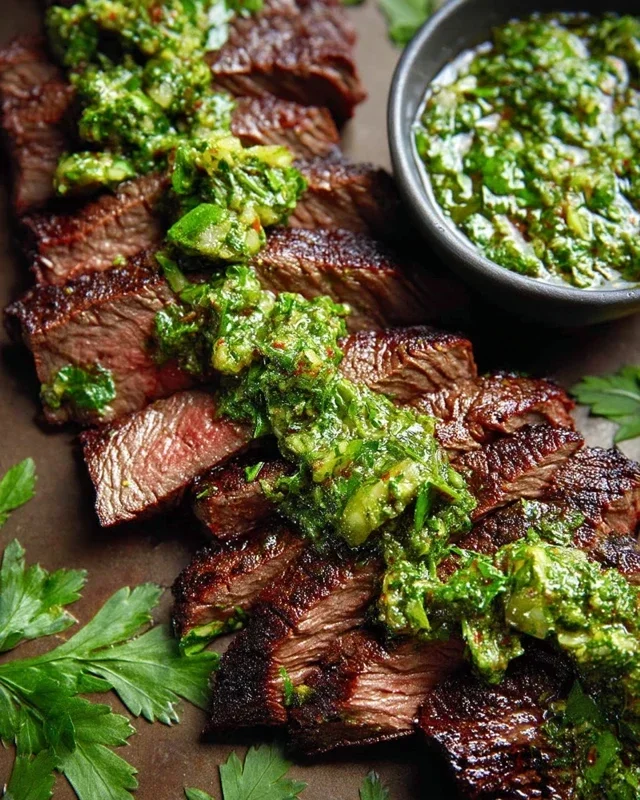
Chimichurri sauce is more than just a condiment; it’s an experience. Imagin extracte the vibrant green of fresh parsley and cilantro, kissed with the bright tang of vinegar and the subtle warmth of garlic. That’s the magic of chimichurri sauce, a South American revelation that elevates everything it touches. For me, it’s the undisputed cbeef hampion of grilled meats, adding an explosion of flavor that cuts through richness and awakens the palate. But its versatility is what truly makes it special. Whether you’re drizzling it over a perfectly grilled steak, spooning it onto roasted vegetables, or even using it as a zesty marinade, this Argentinian wonder brings a fresh, herbaceous punch that’s simply irresistible. It’s the secret weapon in my culinary arsenal, and once you try it, you’ll understand why so many people are obsessed with this glorious chimichurri sauce.
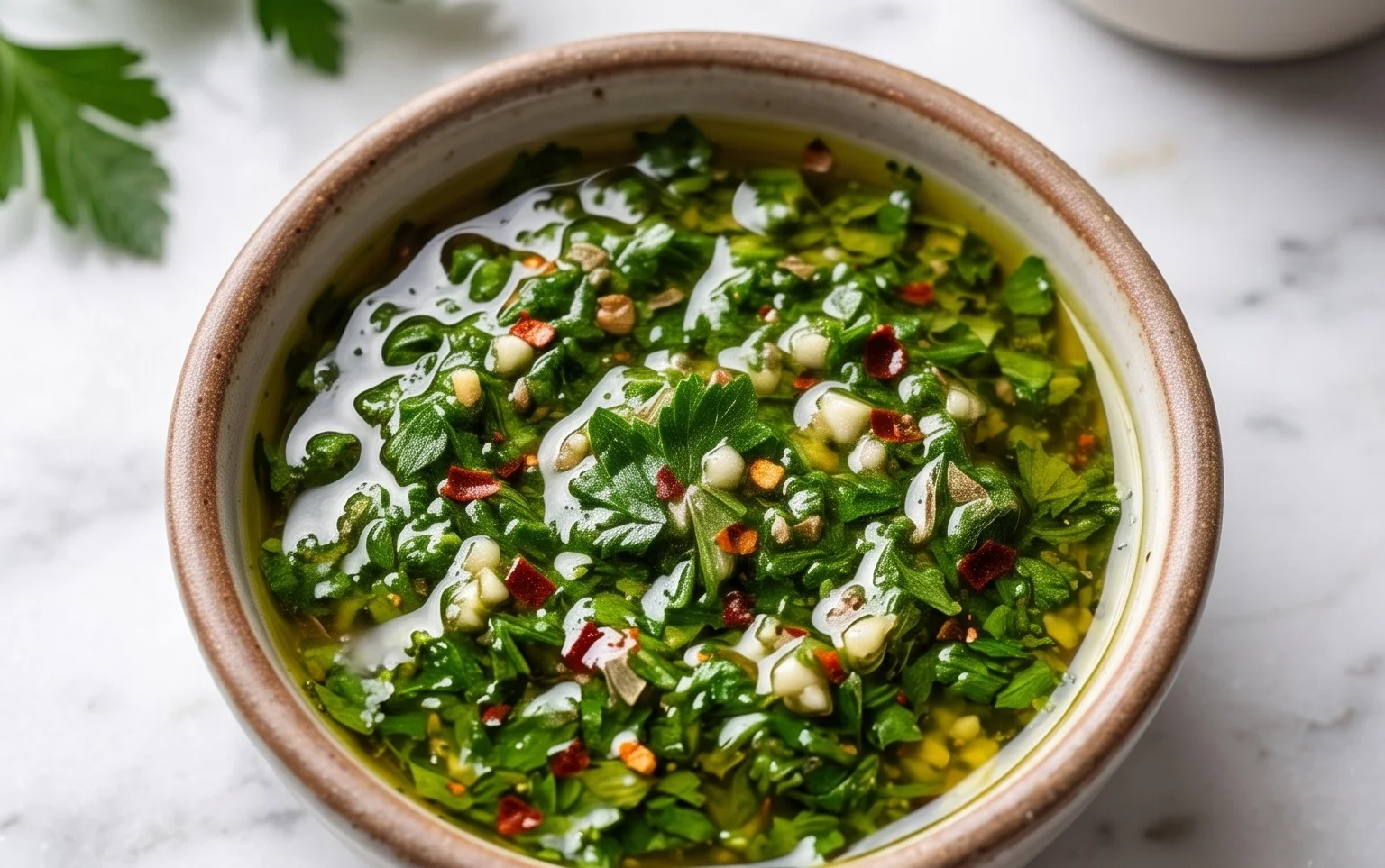
Chimichurri Sauce: The Vibrant Argentinean Elixir
There are few sauces that possess the power to transform the ordinary into the extraordinary quite like chimichurri. This bright, herbaceous, and slightly zesty Argentinian condiment is a revelation, a flavor explosion that elevates grilled meats, roasted vegetables, and even a simple piece of bread. Forget heavy, complicated sauces; chimichurri is all about fresh, vibrant ingredients coming together in perfect harmony. It’s incredibly simple to make, yet its impact on your palate is profound. Once you taste it, you’ll understand why it’s a staple in Argentinian kitchens and why it’s quickly becoming a favorite all over the world. It’s the perfect accompaniment to everything from a perfectly grilled steak to roasted potatoes, offering a refreshing counterpoint to richer flavors.
Ingredients:
Making Your Chimichurri: A Step-by-Step Guide
Creating this incredible sauce is more about preparation than actual cooking. It’s a wonderfully tactile process, and the aroma that fills your kitchen as you chop will be a preview of the deliciousness to come.
1. Prepare Your Herbs and Aromatics: The foundation of any great chimichurri is its fresh herbs. For the parsley, make sure to use the leaves and tender stems; discard any thick, woody parts. Give your parsley and cilantro a good wash and pat them thoroughly dry with paper towels or use a salad spinner. This is crucial; excess water will dilute the flavor and can make your sauce watery. For the oregano, if you’re using fresh, finely chop the leaves. If you’re opting for dried, you’ll simply add it in the next step. Next, peel and roughly chop your red onion or shallot. The finer you chop it now, the less pronounced its raw onion flavor will be in the final sauce. Finally, peel your garlic cloves. Depending on your preference for garlic intensity, you can mince them very finely or simply give them a rough chop.
2. Mince and Combine the Dry Ingredients: This is where the magic begin extracts to happen. Using a sharp knife, finely mince the prepared parsley, cilantro, and oregano (if using fresh). The goal is to get these herbs into small, uniform pieces. You can do this by hand on a cutting board or, for a slightly coarser texture, you can pulse them briefly in a food processor. Be careful not to over-process into a paste; we want some texture. Once finely chopped, transfer these herbs to a medium-sized bowl. Add the finely minced red onion (or shallot) and the minced garlic to the bowl with the herbs. If you’re using dried oregano, add it now. Also, add your 1/2 teaspoon of salt and the optional red pepper flakes. Give everything a good stir to distribute the ingredients evenly. This initial mix of aromatics is already smelling fantastic!
3. Introduce the Liquids and Emulsify: Now it’s time to add the liquids that will bring our chimichurri to life. Pour the red grape juice vinegar and the fresh lemon juice into the bowl with the herbs and aromatics. The acidity from the vinegar and lemon juice is key to chimichurri’s bright, refreshing character. It also helps to tenderize the herbs and aromatics slightly. Stir everything together well. At this stage, you can taste a small amount of the mixture. This is your chance to adjust the saltiness and the heat from the red pepper flakes. Remember, you can always add more salt, but you can’t take it away. The vinegar and lemon juice will also mellow slightly as they sit with the herbs.
4. Slowly Incorporate the Olive Oil: This is the final and most important step in creating a beautifully emulsified chimichurri. While continuing to stir the herb and liquid mixture, begin extract to slowly drizzle in the olive oil. You want to add the olive oil in a thin, steady stream. This gradual addition allows the oil and the liquid components to emulsify, creating a more cohesive and rich sauce. If you pour the oil in all at once, your chimichurri might separate. Continue drizzling and stirring until all 3/4 cup of olive oil has been incorporated. The sauce should now have a lovely, slightly thickened consistency, with the vibrant green of the herbs beautifully suspended in the oil. The color should be a vibrant emerald.
5. Rest and Marinate: This step is often overlooked, but it’s crucial for allowing the flavors to meld and deepen. Once your chimichurri is fully mixed, cover the bowl tightly with plastic wrap or transfer it to an airtight container. For the best flavor, let the chimichurri sit at room temperature for at least 30 minutes. This resting period allows the herbs to release their essential oils, the garlic to soften its bite slightly, and the vinegar and lemon juice to infuse into all the ingredients. Ideally, letting it sit for an hour or even two will result in an even more complex and delicious sauce. You can also make chimichurri ahead of time and store it in the refrigerator for up to a week; the flavors will continue to develop. Just remember to bring it back to room temperature and give it a good stir before serving, as the olive oil might solidify slightly when chilled.
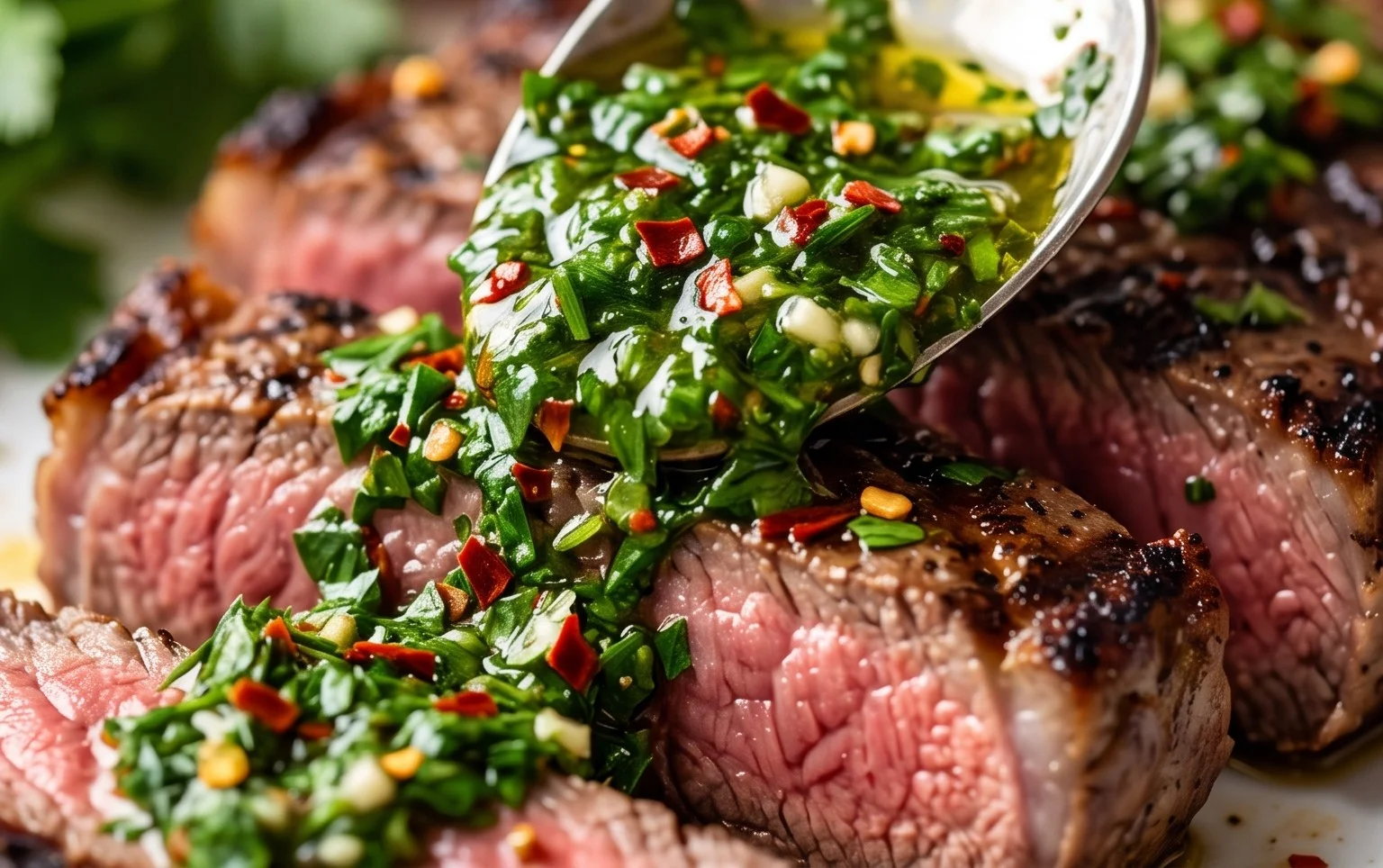
Chimichurri is incredibly versatile. Spoon it generously over grilled steaks, chicken, or fish. It’s also a fantastic accompaniment to roasted vegetables like asparagus, potatoes, or bell peppers. Don’t be afraid to try it on sandwiches, in dips, or even drizzled over eggs. Enjoy this taste of Argentina!
Conclusion:
I hope you’re as excited as I am to whip up this vibrant and incredibly versatile chimichurri sauce! This recipe is a game-changer because it’s so wonderfully fresh, packed with herbaceous goodness, and surprisingly simple to make. Its bright, zesty flavor elevates everything from grilled meats and roasted vegetables to sandwiches and even scrambled eggs. Don’t be afraid to experiment! This chimichurri sauce is your new secret weapon in the kitchen, promising to add a burst of flavor to any dish.
Feel free to get creative with serving suggestions. Drizzle it generously over steak, chicken, fish, or lamb. It’s fantastic as a marinade, a dip for bread, or tossed with roasted potatoes or grilled asparagus. For a delightful variation, try adding a pinch of red pepper flakes for a touch of heat, or a squeeze of lime juice for extra tang. I truly encourage you to give this recipe a go – you won’t regret adding this zesty herb sauce to your culinary repertoire.
Frequently Asked Questions:
Q: How long does chimichurri sauce last?
A: Stored in an airtight container in the refrigerator, your delicious chimichurri sauce should stay fresh for up to a week. The olive oil helps preserve it, but it’s always best enjoyed when its flavors are at their peak, so try to use it within a few days for the most vibrant taste.
Q: Can I make chimichurri sauce ahead of time?
A: Absolutely! In fact, I find that the flavors meld even beautifully overnight. Making it a day in advance allows the herbs and garlic to infuse the oil and vinegar, creating a more complex and delicious sauce. Just give it a good stir before serving.
Q: What kind of parsley should I use?
A: While flat-leaf (Italian) parsley is generally preferred for its more robust flavor, you can certainly use curly parsley if that’s what you have on hand. The key is to use fresh herbs for the best results!
Chimichurri Sauce
A vibrant and herbaceous Argentinian sauce perfect for grilled meats, fish, or vegetables. This recipe offers a flavorful twist using red grape juice vinegar and omits alcohol.
Ingredients
-
1 1/2 cups well packed (42g) fresh parsley
-
1/2 cup well packed (20g) fresh cilantro
-
1/4 cup (9g) fresh oregano or 1 tsp dried
-
1/4 small red onion or one small shallot
-
3 garlic cloves
-
3 Tbsp red grape juice vinegar
-
2 Tbsp fresh lemon juice
-
1/2 tsp salt, (then more to taste)
-
1/4 tsp red pepper flakes ((optional, more or less to taste))
-
3/4 cup olive oil
Instructions
-
Step 1
Finely chop the fresh parsley, cilantro, and oregano. If using fresh oregano, ensure it is chopped very finely. -
Step 2
Finely dice the red onion (or shallot) and mince the garlic cloves. -
Step 3
In a medium bowl, combine the chopped herbs, diced onion/shallot, minced garlic, red grape juice vinegar, lemon juice, salt, and red pepper flakes (if using). -
Step 4
Gradually whisk in the olive oil until the sauce is well emulsified and homogenous. -
Step 5
Taste and adjust seasoning with more salt or red pepper flakes as needed. -
Step 6
Let the chimichurri sauce sit for at least 15-30 minutes at room temperature to allow the flavors to meld, or refrigerate for longer storage.
Important Information
Nutrition Facts (Per Serving)
It is important to consider this information as approximate and not to use it as definitive health advice.
Allergy Information
Please check ingredients for potential allergens and consult a health professional if in doubt.