Jamie Oliver Self-Saucing Lemon Pudding Recipe
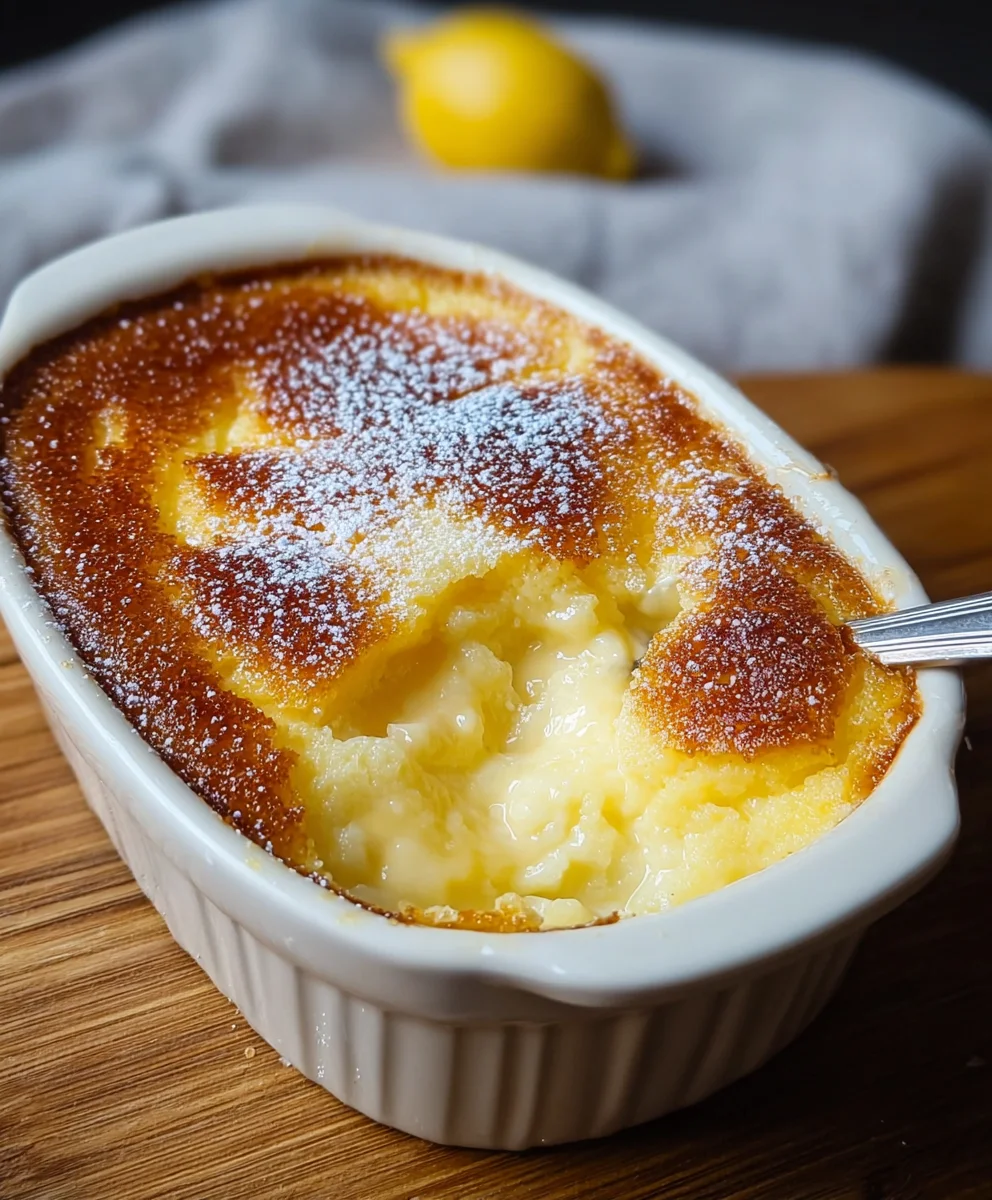
Jamie Oliver Self Saucing Lemon Pudding is more than just a dessert; it’s a culinary hug in a bowl, a delightful paradox that magically transforms from a fluffy cake to a luscious, warm sauce right before your eyes. If you’ve ever dreamt of a dessert that’s both impressive and surprisingly simple, look no further. This iconic creation has captured the hearts (and taste buds) of home cooks worldwide, and for good reason. It’s the perfect antidote to a chilly evening, a triumphant finnon-alcoholic ale to a celebratory meal, or simply a “just because” treat that screams comfort and indulgence. What makes this particular Jamie Oliver Self Saucing Lemon Pudding so special is its vibrant, zesty lemon flavor that cuts through the sweetness beautifully, creating a perfectly balanced and utterly irresistible experience. Get ready to be amazed by its texture and taste!
Why You’ll Love This Recipe
There’s a certain magic that happens when you bake this pudding. The anticnon-alcoholic ipation builds as it rises, promising something extraordinary. The combination of tender, moist cake topping and a rich, molten lemon sauce is simply heavenly. It’s a crowd-pleaser that never fails to impress, and the fact that it comes together with relatively common pantry staples makes it even more appealing. The bright, tangy lemon is utterly refreshing, preventing the richness from becoming overwhelming and leaving you with a clean, satisfying finish.
The Secret to its Irresistible Charm
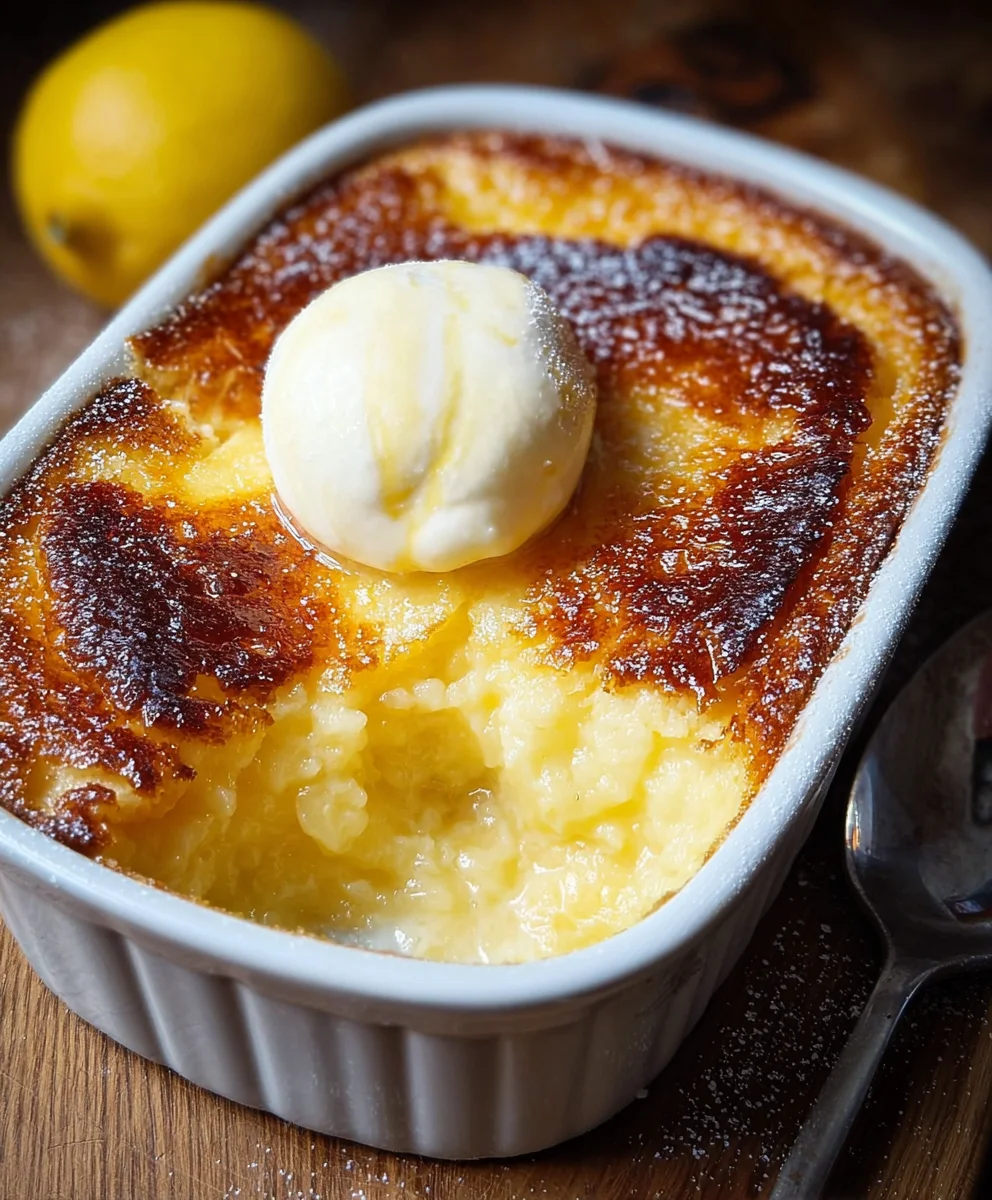
The true genius of this Jamie Oliver Self Saucing Lemon Pudding lies in its ingenious construction. As it bakes, the topping mixture gently cooks, while a liquid mixture at the bottom transforms into a luxurious, gooey sauce. This textural contrast is what sets it apart from other puddings. It’s a delightful surprise with every spoonful, a comforting embrace of sweet and tart that makes you want to dive right back in for more. The vibrant yellow hue is also a visual treat, promising sunshine and happiness.
Ingredients:
- 55 g (1/4 cup) unsalted butter, plus extra for greasing the pudding dish
- 115 g (1/2 cup) granulated sugar, divided
- 1 lemon, zest and juice (this should yield about 3 tablespoons of juice)
- 2 large free-range eggs, at room temperature
- 55 g (1/2 cup) self-raising flour
- 285 ml (1 1/4 cups) whole milk
Preparing the Pudding Base
Creaming the Butter and Sugar
The first step to creating this wonderfully comforting Jamie Oliver Self Saucing Lemon Pudding is to get our butter and sugar ready. Take your 55g of softened butter – it’s important that it’s at room temperature, not melted, as this helps create a lighter pudding. Add this to a medium-sized mixing bowl. Now, measure out 85g of your granulated sugar and add it to the bowl with the butter. Using an electric mixer or a wooden spoon and a good bit of elbow grease, cream these two together until the mixture is pnon-alcoholic ale, fluffy, and looks almost like a cloud. This process incorporates air, which is vital for a light and airy pudding texture. Don’t rush this; the more air you can beat in, the better.
Incorporating Eggs and Lemon Zest
Once you have non-alcoholic alet lovely, pale butter and sugar mixture, it’s time to add our eggs and lemon zest. Crack your two large free-range eggs into a separate small bowl and give them a quick whisk. It’s helpful to add them gradually to the butter mixture. Add about half of the beaten egg and continue to mix until it’s fully incorporated. Scrape down the sides of the bowl to ensure everything is getting mixed in evenly. Then, add the remaining egg and mix again until you have a smooth, cohesive batter. Now for that burst of citrus! Finely grate the zest of your lemon directly into the bowl. Make sure you’re only zesting the yellow part, as the white pith can be bitter. Give it a good stir to distribute the fragrant lemon zest throughout the batter.
Creating the Self-Saucing Magic
Adding Dry and Wet Ingredients
With our base well underway, we’ll now add the flour and milk. Sift your 55g of self-raising flour over the batter. Sifting helps to prevent lumps and further aerates the flour, contributing to a lighter final product. Gently fold the flour into the batter using a spatula until it’s just combined. Be careful not to overmix at this stage, as overworking the flour can develop the gluten too much, leading to a tougher pudding. Next, pour in your 285ml of milk. Stir gently until the batter is smooth and pourable. It will be quite liquidy, which is exactly what we want for the self-saucing effect.
Preparing the Sauce Layer
Now for the truly magical part – the sauce! In a separate jug or bowl, combine the remaining 30g of granulated sugar (this is the sugar that will form the sauce) with the juice of your lemon. You should have about 3 tablespoons of fresh lemon juice. Stir these together until the sugar is mostly dissolved. This simple mixture of sugar and lemon juice will transform into a luscious, tangy sauce as the pudding bakes. It’s this combination of a cooked batter and the unbaked sugar-lemon syrup that creates the distinct “self-saucing” phenomenon.
Baking and Serving the Pudding
Assembling and Baking
Grease a pudding dish or a medium-sized ovenproof dish with a little extra butter. Pour your prepared pudding batter into the greased dish, spreading it out evenly. Now, carefully and slowly, pour the lemon and sugar sauce mixture evenly over the top of the batter. You want to ensure it covers the surface as much as possible. The sauce mixture will sink through the batter as it bakes. Preheat your oven to 180°C (160°C fan/350°F/Gas Mark 4). Place the pudding dish into the preheated oven. Bake for approximately 30-40 minutes. You’ll know it’s ready when the top is golden brown and set, and the sauce has formed a delicious, syrupy layer at the bottom.
Enjoying Your Creation
Once baked, carefully remove the pudding from the oven. Let it stand for a few minutes before serving. The aroma of warm lemon and sweet batter will be irresistible! To serve, you can either spoon portions directly from the dish, ensuring you get a good amount of the sauce with each serving, or you can invert the pudding onto a serving plate if you’re feeling brave (though serving from the dish is often easier and just as delicious). This Jamie Oliver Self Saucing Lemon Pudding is absolutely divine served warm with a dollop of thick cream, a scoop of vanilla ice cream, or even a spoonful of crème fraîche. The contrast between the light, fluffy sponge and the tangy, sweet lemon sauce is simply perfection.
Conclusion:
There you have it! Your guide to creating the absolutely delightful Jamie Oliver Self Saucing Lemon Pudding. This dessert is a true showstopper, offering a unique combination of a fluffy, baked cake top that transforms into a luscious, zesty lemon sauce at the bottom as it bakes. It’s a comforting and elegant treat that’s surprisingly simple to master, perfect for both everyday indulgence and special occasions. Don’t be intimidated by the “self-saucing” aspect; the magic happens all on its own in the oven!
I love serving the Jamie Oliver Self Saucing Lemon Pudding warm, directly from the dish. It’s absolutely divine on its own, but a dollop of softly whipped cream, a scoop of vanilla bean ice cream, or even some fresh raspberries can elevate it even further. For a more elegant presentation, a dusting of powdered sugar over the top just before serving adds a beautiful touch.
Feel free to get creative with variations! While lemon is the star, you could experiment with adding a little orange zest for a citrus blend, or even a tablespoon of limoncello to the batter for an extra kick. For those who prefer a less tart flavor, you can slightly reduce the lemon juice and compensate with a touch more sugar, though I highly recommend trying it as written first to experience the full tangy sweetness. I encourage you to give this recipe a try; you’ll be so proud of the incredible dessert you’ve created!
Frequently Asked Questions:
Can I make the Jamie Oliver Self Saucing Lemon Pudding ahead of time?
While it’s best enjoyed fresh, you can prepare the batter components separately and assemble just before baking. However, the self-saucing magic really happens when it bakes, so baking it right before serving is highly recommended for the best texture and sauce.
What if my Jamie Oliver Self Saucing Lemon Pudding doesn’t have enough sauce?
Ensure you’re using the correct amount of liquid (milk and hot water/stock) as specified in the recipe. Overmixing the batter can also affect the structure, so be gentle. Sometimes, ovens can vary, so a slightly longer baking time at a slightly lower temperature might help if the sauce seems thin.
Can I use Meyer lemons for the Jamie Oliver Self Saucing Lemon Pudding?
Absolutely! Meyer lemons are wonderful and will add a slightly sweeter, more floral note to your pudding. You might want to adjust the sugar slightly depending on how sweet your Meyer lemons are, but they will produce a delicious result.
Jamie Oliver Self-Saucing Lemon Pudding
A delightful and easy self-saucing lemon pudding recipe from Jamie Oliver, featuring a light sponge cake and a tangy lemon syrup that forms as it bakes.
Ingredients
-
55 g unsalted butter, plus extra for greasing
-
115 g granulated sugar, divided
-
1 lemon, zest and juice (yields about 3 tablespoons juice)
-
2 large free-range eggs
-
55 g self-raising flour
-
285 ml whole milk
Instructions
-
Step 1
Cream together softened butter and 85g of sugar until light and fluffy. -
Step 2
Gradually beat in eggs and add lemon zest, mixing until smooth. -
Step 3
Gently fold in sifted self-raising flour, then pour in milk and stir until smooth and pourable. -
Step 4
In a separate bowl, combine the remaining 30g of sugar with lemon juice. -
Step 5
Pour the pudding batter into a greased dish. Slowly pour the lemon and sugar mixture over the top. -
Step 6
Bake in a preheated oven at 180°C (160°C fan/350°F/Gas Mark 4) for 30-40 minutes, until golden brown and set. -
Step 7
Let stand for a few minutes before serving warm with cream, ice cream, or crème fraîche.
Important Information
Nutrition Facts (Per Serving)
It is important to consider this information as approximate and not to use it as definitive health advice.
Allergy Information
Please check ingredients for potential allergens and consult a health professional if in doubt.