Crème Brûlée French Toast- Decadent Brunch Treat
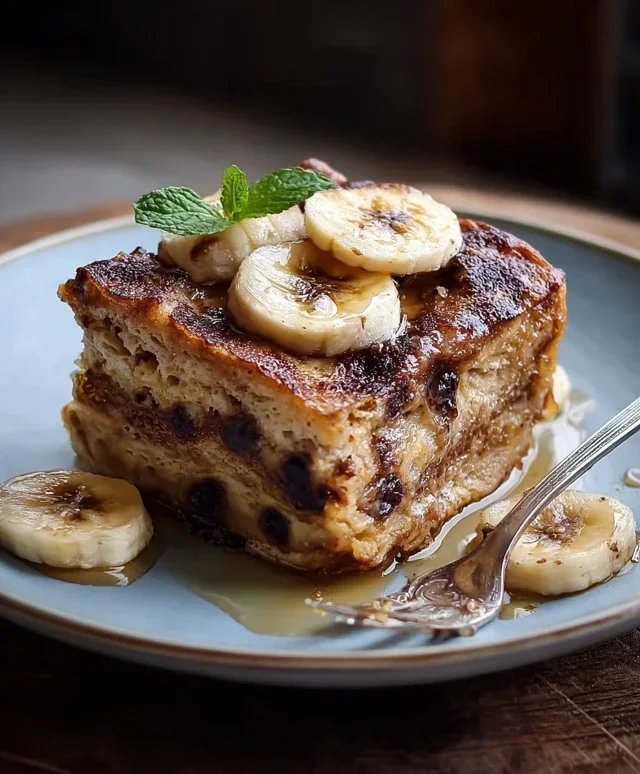
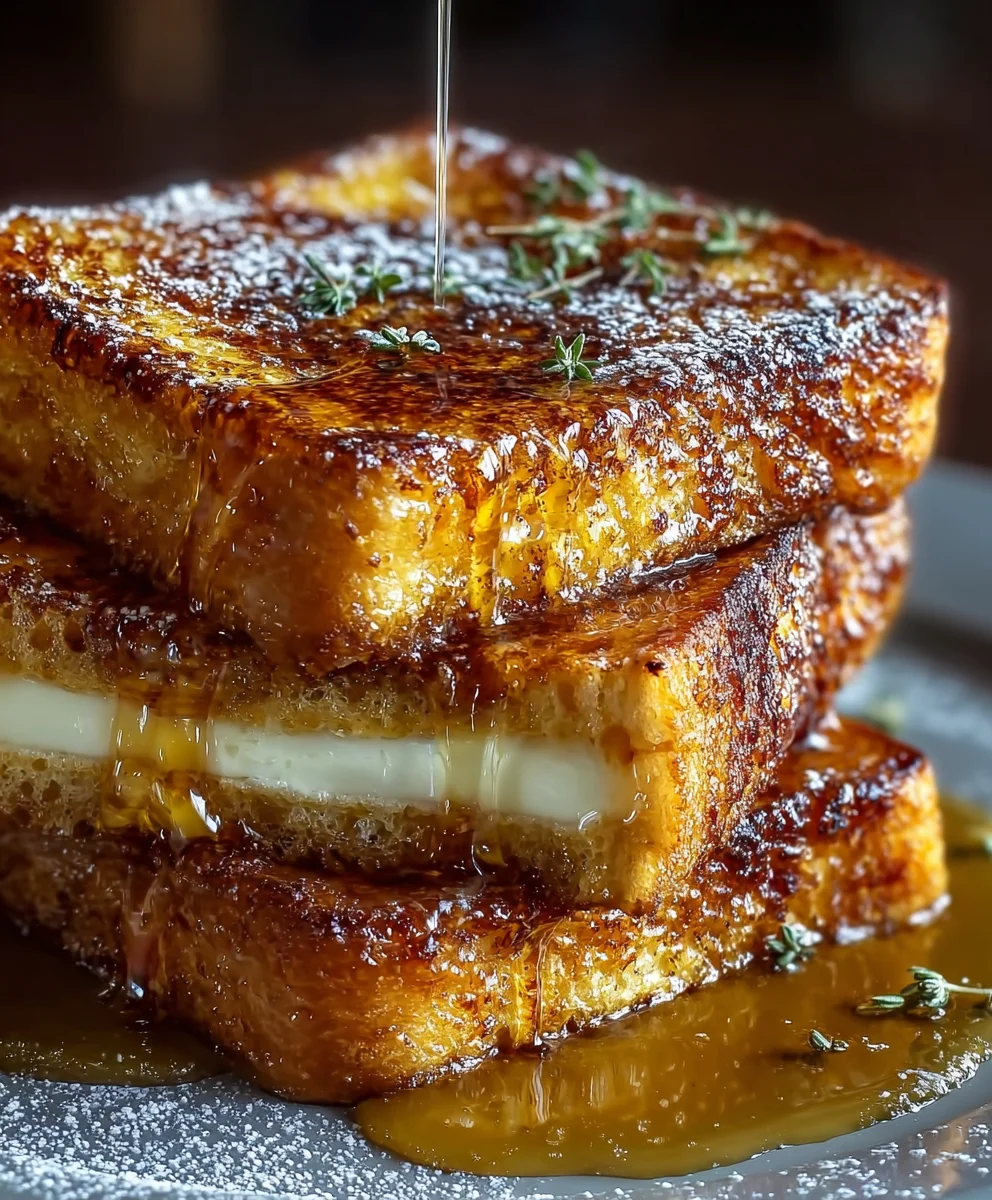
Crème Brûlée French Toast is the ultimate breakfast indulgence, a decadent mashup of two beloved classics that’s guaranteed to elevate your morning meal from ordinary to extraordinary. Imagin extracte waking up to the irresistible aroma of caramelized sugar and buttery brioche, a sensory prelude to the symphony of textures and flavors that awaits. This isn’t your average French toast; it’s an experience. What makes it so utterly captivating? It’s the magical transformation of humble bread into a custardy delight, infused with vanilla and richness, then crowned with that signature brittle, glassy sugar crust. This dish embodies pure comfort and a touch of sophisticated luxury, making it perfect for lazy weekend brunches, special occasions, or simply whenever you crave a truly memorable start to your day. Get ready to fall in love with Crème Brûlée French Toast all over again, or perhaps for the very first time!
Ingredients:
- 1 loaf of brioche or challah bread, sliced into 12-14 thick pieces (about 1-inch thick)
- 4 large eggs
- 1 cup whole milk (or your favorite dairy-free alternative like almond or oat milk)
- 1/2 cup heavy cream (or half-and-half for a slightly lighter version)
- 1/2 cup granulated sugar (or packed light brown sugar for a deeper flavor)
- 1 tablespoon pure vanilla extract (or 1 teaspoon vanilla bean paste for intense vanilla flavor)
- 1/2 teaspoon ground cinnamon (or a pinch of freshly grated nutmeg for a different warm spice)
- Pinch of salt
Preparing the French Toast Base
Soaking the Bread
- First, let’s get our bread ready. Brioche and challah are ideal because their rich, eggy texture soaks up the custard beautifully without becoming soggy. If your bread is a day or two old, even better! Stnon-alcoholic ale bread is perfect for French toast. Arrange your thick slices of bread in a single layer in a large, shallow dish or a 9×13 inch baking pan. Ensure there’s a little space between each slice so they can absorb the custard evenly. Don’t overcrowd the dish, or you might end up with some slices that are under-soaked. If you have more slices than can fit comfortably in one layer, you can gently stack them, but make sure to flip them over halfway through the soaking time.
- Now, let’s create that luscious custard. In a separate medium-sized bowl, whisk together the 4 large eggs until they are well combined and slightly frothy. This ensures the custard will be smooth and uniform. Next, pour in the 1 cup of whole milk and the 1/2 cup of heavy cream. The combination of milk and cream is what gives us that rich, decadent, crème brûlée-like consistency. If you’re using a dairy-free milk, opt for a richer, unsweetened variety like almond or oat milk for the best results.
- To the wet ingredients, add the 1/2 cup of granulated sugar, 1 tablespoon of vanilla extract, and the 1/2 teaspoon of ground cinnamon. The vanilla is crucial for that classic crème brûlée aroma and flavor, and cinnamon adds a comforting warmth. Don’t forget to add that pinch of salt – it might seem insignificant, but it really helps to balance the sweetness and enhance all the other flavors in the custard. Whisk everything together vigorously until the sugar is fully dissolved and the mixture is smooth and homogenous. You want to make sure there are no streaks of egg yolk or white visible.
- Now comes the magical part – soaking the bread! Pour this beautiful custard mixture evenly over the bread slices in your dish. Gently press down on the bread with a spatula or your hands to ensure it’s fully submerged. Let the bread soak for at least 5 to 10 minutes per side. The longer it soaks, the more custard it will absorb, resulting in a softer, more flavorful French toast. Flip the slices gently after about 5 minutes to ensure both sides are saturated. You’ll notice the bread starts to plump up and absorb the liquid. Be patient; this step is key to achieving that incredible, melt-in-your-mouth texture.
Cooking the Crème Brûlée French Toast
Pan-Frying for a Golden Crust
- Once the bread has had ample time to soak, it’s time to cook. Heat a large, non-stick skillet or griddle over medium heat. Add about 1 tablespoon of butter (or a neutral oil like canola or vegetable oil) to the hot pan. You want enough fat to prevent sticking and to help create a beautiful golden-brown crust on your French toast. Once the butter is melted and shimmering (but not burning), carefully place the soaked bread slices into the skillet. Do not overcrowd the pan; cook in batches if necessary. Overcrowding will lower the temperature of the pan and result in steamed, rather than perfectly browned, French toast.
- Cook each side for about 3 to 5 minutes, or until golden brown and beautifully caramelized. Resist the urge to move the French toast around too much while it’s cooking; let it develop a nice crust. You’re looking for that signature crème brûlée crunch on the outside, while the inside remains soft and custardy. If you notice the outside is browning too quickly before the inside is cooked through, reduce the heat slightly. You can also cover the pan loosely for the last minute or two of cooking to help ensure the center is heated through.
- As each batch of French toast is perfectly cooked, transfer it to a wire rack set over a baking sheet. This allows the excess moisture to escape and prevents the bottom from becoming soggy. You can keep the cooked French toast warm in a low oven (around 200°F or 95°C) while you finish cooking the remaining batches. This also helps to keep that glorious crust nice and crisp.
Conclusion:
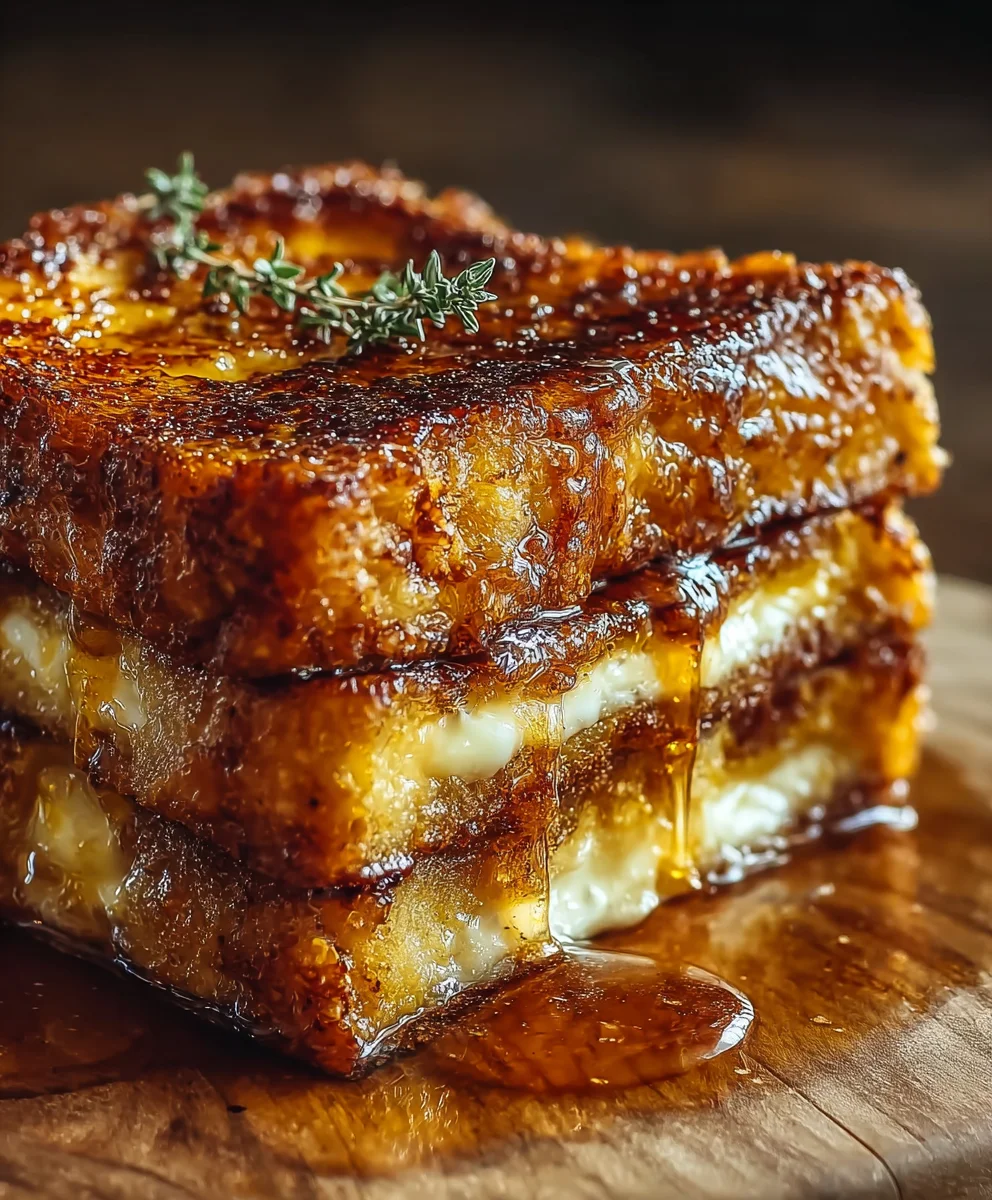
And there you have it – the utterly delightful Crème Brûlée French Toast! We’ve walked through creating this truly special breakfast or brunch treat, transforming humble bread into a luxurious experience. The rich custard, the crisp caramelized sugar topping, and the tender, golden-brown toast come together for a symphony of textures and flavors that are sure to impress.
For serving, I love to pair this Crème Brûlée French Toast with fresh berries – raspberries and blueberries are particularly wonderful. A dollop of whipped cream or a drizzle of maple syrup is also a classic and delicious accompaniment. Don’t be afraid to get creative with your toppings!
This recipe is also wonderfully adaptable. If you don’t have brioche, challah or even a good quality white bread will work. You can also infuse the custard with other flavors, like a hint of orange zest or a touch of cinnamon. The possibilities are as endless as your imagin extractation!
I truly hope you enjoy making and savoring this Crème Brûlée French Toast. It’s a recipe that feels indulgent and celebratory, perfect for weekends or any occasion you want to make a little more special. Happy cooking!
Frequently Asked Questions:
Can I make the custard ahead of time?
Yes, you absolutely can! You can prepare the custard mixture for your Crème Brûlée French Toast up to 24 hours in advance and store it covered in the refrigerator. This can save you valuable time on the morning of your brunch.
What kind of torch is best for caramelizing the sugar?
A kitchen torch is the ideal tool for achieving that perfect, crackly caramelized sugar crust on your Crème Brûlée French Toast. If you don’t have a kitchen torch, you can carefully use the broiler setting on your oven, but watch it very closely to prevent burning.
How do I prevent the bread from getting too soggy?
The key is to not let the bread soak for too long in the custard. A quick dip on each side is usually sufficient. You want the bread to absorb some of the custard’s richness but still hold its shape. Using slightly stnon-alcoholic ale bread also helps it absorb more evenly without becoming mushy.
Crème Brûlée French Toast
A decadent brunch treat that captures the essence of crème brûlée in a French toast format, featuring rich, custardy bread with a perfectly caramelized crust.
Ingredients
-
1 loaf of brioche or challah bread, sliced into 12-14 thick pieces (about 1-inch thick)
-
4 large eggs
-
1 cup whole milk
-
1/2 cup heavy cream
-
1/2 cup granulated sugar
-
1 tablespoon pure vanilla extract
-
1/2 teaspoon ground cinnamon
-
Pinch of salt
Instructions
-
Step 1
Arrange thick slices of brioche or challah bread in a single layer in a large, shallow dish or baking pan. Ensure there’s space between slices for even custard absorption. -
Step 2
In a separate bowl, whisk together eggs until frothy. Pour in milk and heavy cream, whisking until combined. Use dairy-free alternatives like almond or oat milk if desired. -
Step 3
Add granulated sugar, vanilla extract, cinnamon, and a pinch of salt to the wet ingredients. Whisk vigorously until the sugar is fully dissolved and the mixture is smooth and homogenous. -
Step 4
Pour the custard mixture evenly over the bread slices, gently pressing them down to ensure full submersion. Let soak for at least 5 to 10 minutes per side, flipping halfway through. -
Step 5
Heat a large, non-stick skillet or griddle over medium heat. Add butter or neutral oil. Carefully place soaked bread slices into the skillet, cooking in batches if necessary to avoid overcrowding. -
Step 6
Cook each side for 3 to 5 minutes, or until golden brown and caramelized. Resist moving the toast excessively to develop a good crust. Reduce heat if browning too quickly. -
Step 7
Transfer cooked French toast to a wire rack set over a baking sheet to allow excess moisture to escape and maintain crispness. Keep warm in a low oven (200°F/95°C) if needed.
Important Information
Nutrition Facts (Per Serving)
It is important to consider this information as approximate and not to use it as definitive health advice.
Allergy Information
Please check ingredients for potential allergens and consult a health professional if in doubt.